Executive Summary
The University of Minnesota – Twin Cities offers an undergraduate Bachelor of Arts and minor program in “Chicano-Latino Studies,” where students are taught skills that include “an understanding of historical, cultural, social, and political factors relevant to ChicanX/LatinX populations; understanding of cross-cultural issues and diversity; and the ability to recognize and advocate for community needs.”
Courses
A Minnesota Data Practices request included a syllabus for a “AMIN 8301: Critical Indigenous Theory” course that features content such as critical theories, decolonization, Queer theory, and a text calling for the decolonization of Palestine.
Additionally, the request also yielded a copy of a “New Core Class for RIDGS [Race, Indigeneity, Disability Studies, Gender, and Sexuality] Graduate Minor.” The proposed required course includes content such as antiracism, “Black Marxism,” “color-blind racism,” critical race theory, intersectionality, Queer theory, racial capitalism, settler colonialism, and whiteness.
AMIN 8301: Critical Indigenous Theory
The course AMIN 8301: Critical Indigenous Theory includes content such as critical theories, decolonization, Marxism, Queer theory, and Palestine.
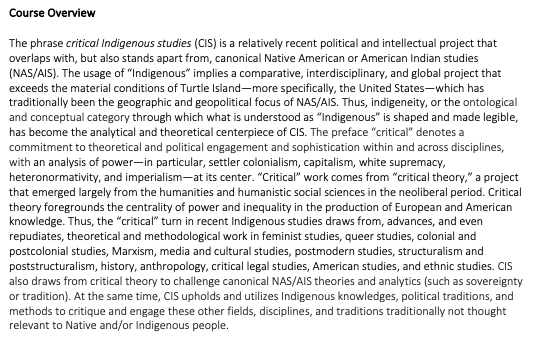
The course overview states that the “‘critical’ turn in recent Indigenous studies draws from, advances, and even repudiates, theoretical and methodological work in feminist studies, queer studies, colonial and postcolonial studies, Marxism, media and cultural studies, postmodern studies, structuralism and poststructuralism, history, anthropology, critical legal studies, American studies, and ethnic studies.”
The overview also states that the “preface ‘critical’ denotes a commitment to theoretical and political engagement and sophistication within and across disciplines, with an analysis of power—in particular, settler colonialism, capitalism, white supremacy, heteronormativity, and imperialism—at its center.” “‘Critical’ work comes from ‘critical theory,’ a project that emerged largely from the humanities and humanistic social sciences in the neoliberal period. Critical theory foregrounds the centrality of power and inequality in the production of European and American knowledge.”
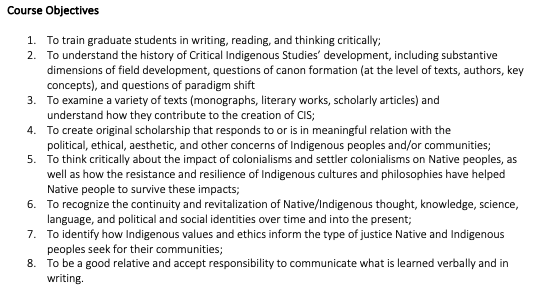
Course objectives include students being able to “think critically about the impact of colonialisms and settler colonialisms on Native peoples, as well as how the resistance and resilience of Indigenous cultures and philosophies have helped Native people to survive these impacts” and to “identify how Indigenous values and ethics inform the type of justice Native and Indigenous peoples seek for their communities.”
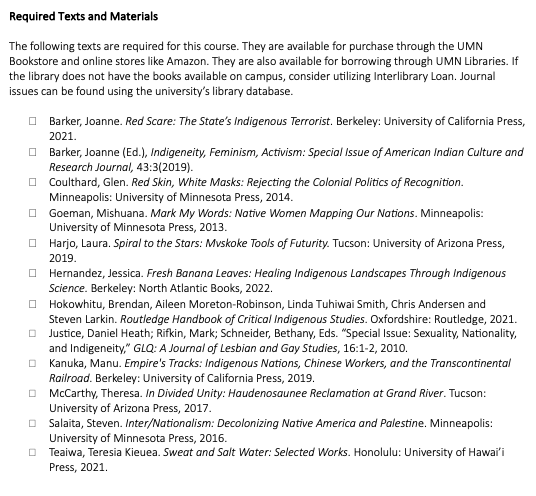
Required texts and materials for the course include “Red Skin, White Masks: Rejecting the Colonial Politics of Recognition” and “Inter/Nationalism: Decolonizing Native America and Palestine.”
New Core Class for RIDGS Graduate Minor
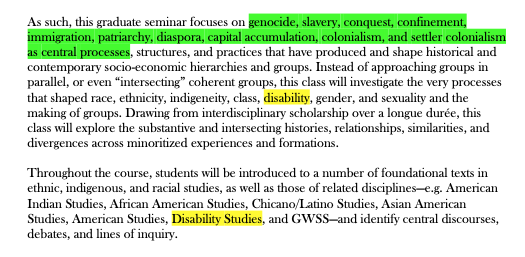
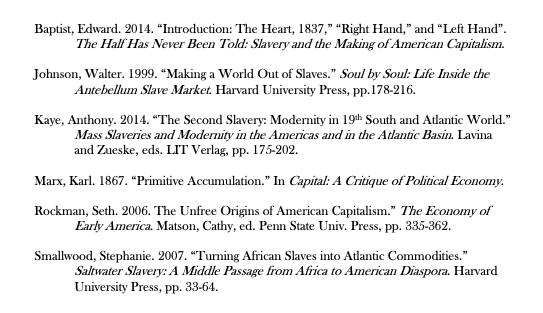
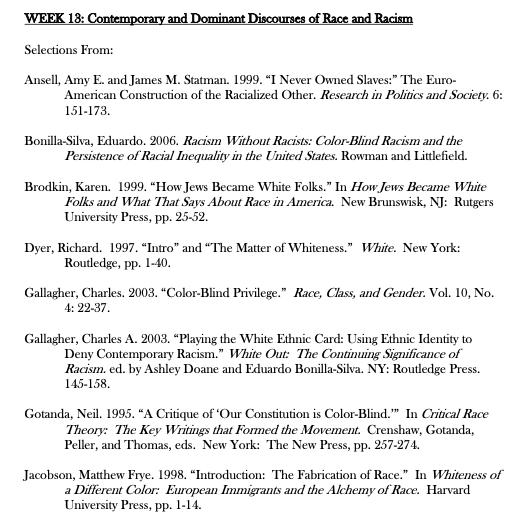
The course “New Core Class for RIDGS Graduate Minor” includes content such as antiracism, “Black Marxism,” “color-blind racism,” critical race theory, intersectionality, Queer theory, racial capitalism, settler colonialism, and whiteness.
The course description states that the seminar will focus on “genocide, slavery, conquest, confinement, immigration, patriarchy, diaspora, capital accumulation, colonialism, and settler colonialism as a central processes, structures, and practices that have produced and shape historical and contemporary socio-economic hierarchies and groups.”
CHIC 1112: Foundations In Chicana/o/x Studies – Race Power And Justice
To earn a B.A. in Chicano-Latino Studies, students are required to take “Foundations In Chicana/o/x Studies – Race, Power, and Justice.”
- The course “explores the major theories that have informed analysis and methods: experiential knowledge, cultural nationalism, internal colonialism, hegemony and counter-hegemony, coloniality of power, transnationalism, globalization, Chicana feminisms, intersectionality, oppositional consciousness, heteropatriarchy, abjection, racialization, anti-Black racism and Afro-Latinx studies, structural analysis, and queer theory, decolonial methods, Critical Race Theory, and Critical Latinx Indigeneities.”

AMIN 5412: Comparative Indigenous Feminisms – Global Perspectives
To earn a B.A. in Chicano-Latino Studies, students may take “Comparative Indigenous Feminisms – Global Perspectives.”
- The course explores “how indigenous feminists have theorized from ‘the flesh’ of their embodied experience of colonialism, the course will also consider how indigenous women are articulating decolonization and the embodiment of autonomy through scholarship, cultural revitalization, and activism.”

CHIC 3452: Chicanx/LatinX Indigeneity Diversity And Social Justice
To earn a B.A. in Chicano-Latino Studies, students may take “Chicanx/LatinX Indigeneity Diversity and Social Justice.”
- The course examines “historical, cultural, and political processes impacting Chicanas/os and their understanding of being indigenous to the North American continent.”

Ethnic Studies Initiative
Race, Indigeneity, Disability, Gender & Sexuality Studies (RIDGS)
The College of Liberal Arts’ Race, Indigeneity, Disability, Gender & Sexuality Studies (RIDGS) “Ethnic Studies Initiative” is meant to unite “various stakeholders around the pursuit of creating free, accessible, and Minnesota-specific ethnic studies lesson plans and other resources aligned with the State Standards and Benchmarks in Social Studies.” It works “directly with K-12 teachers, staff, and students to ensure our programming meets their immediate and long-term needs.”
The initiative is “dedicated to creating educational resources that are not hidden behind paywalls and are reflective of the rich histories of Minnesota students and their communities.”

The Initiative, funded by the Minnesota Humanities Center via the Arts and Cultural Heritage Fund, provides teachers with free lesson plans and resources to teach ethnic studies courses in their respective schools.
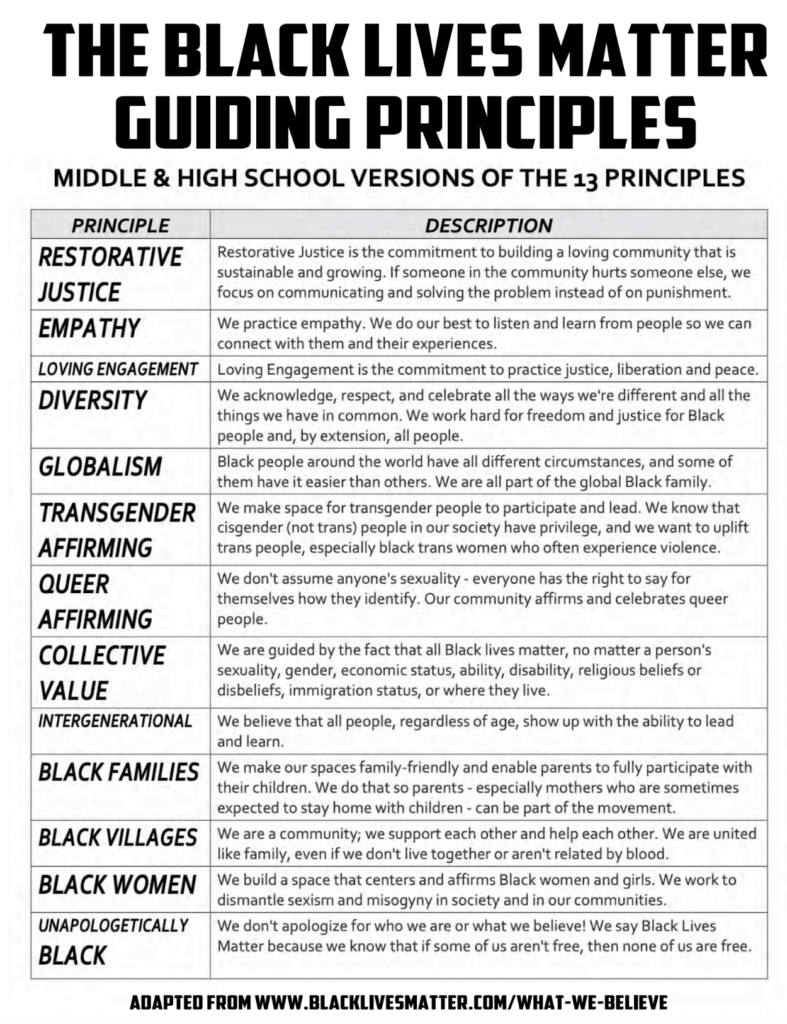
A sixth-grade lesson plan titled “Protest Art & the Movement for Black life” states that it focuses on the “Movement for Black Lives and the role of protest art in mediating power in the city” and about the “13 guiding principles of the Black Lives Matter Movement.”
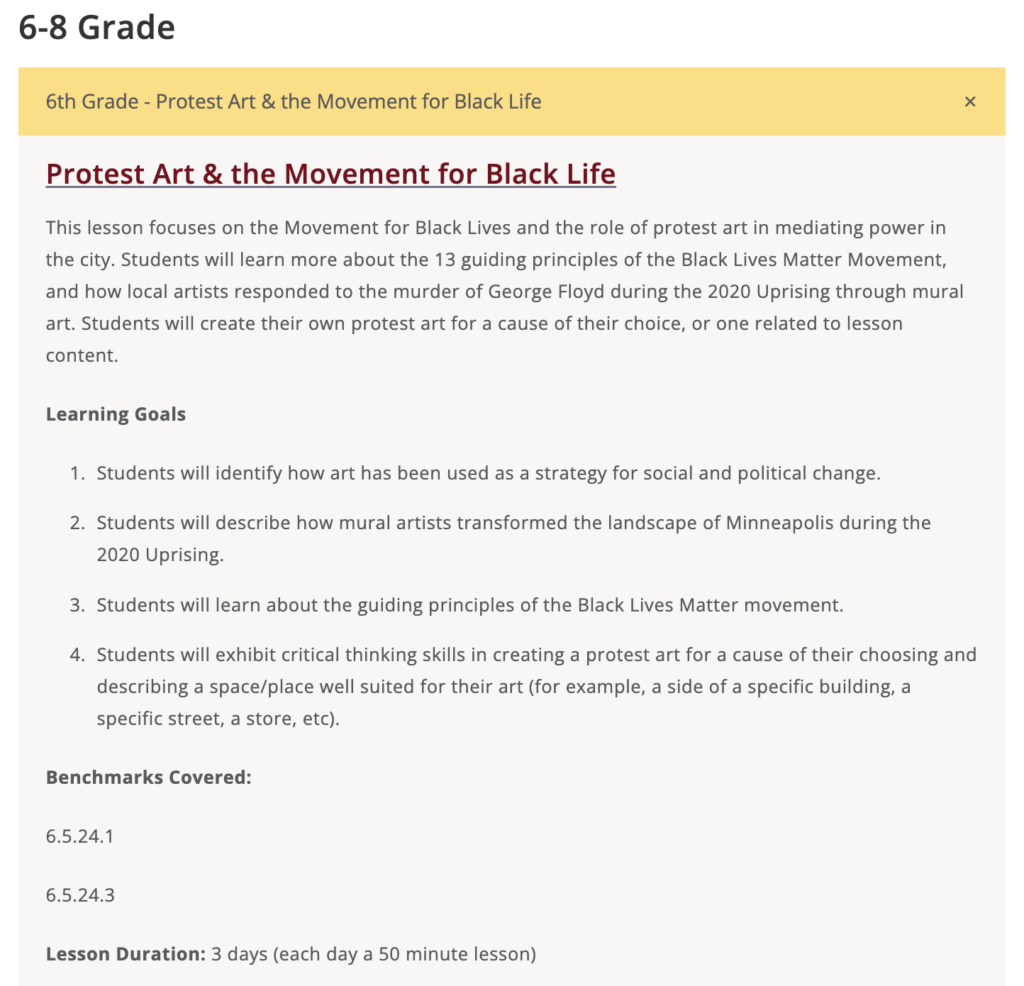
Learning goals for the lesson include students learning about the “guiding principles of the Black Lives Matter movement.”

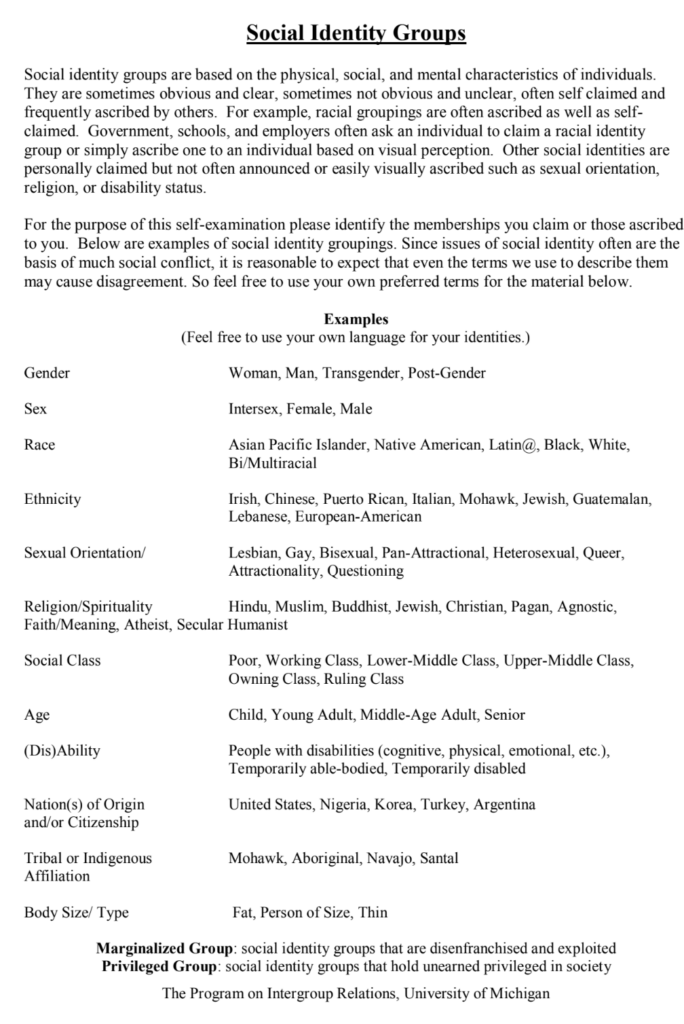
Additional course documents include the “Social Identity Wheel Activity Guide” which prompts the students to identify their different identities including if they fall into a “privileged” or “marginalized” group.
Also included in lesson resources are links to controversial far-left individuals such as Jesse Hagopian, and the radical far-left media group Unicorn Riot.

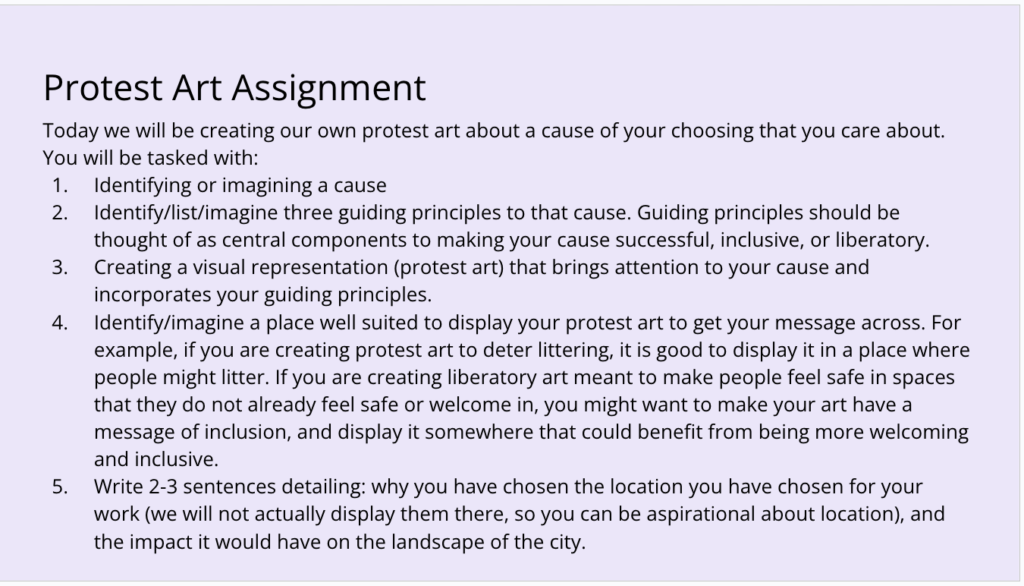
One of the course assignments includes students creating “Protest Art” for a “cause” of the student’s choosing. Suggestions include “creating liberatory art meant to make people feel safe in spaces that they do not already feel safe or welcome in.”
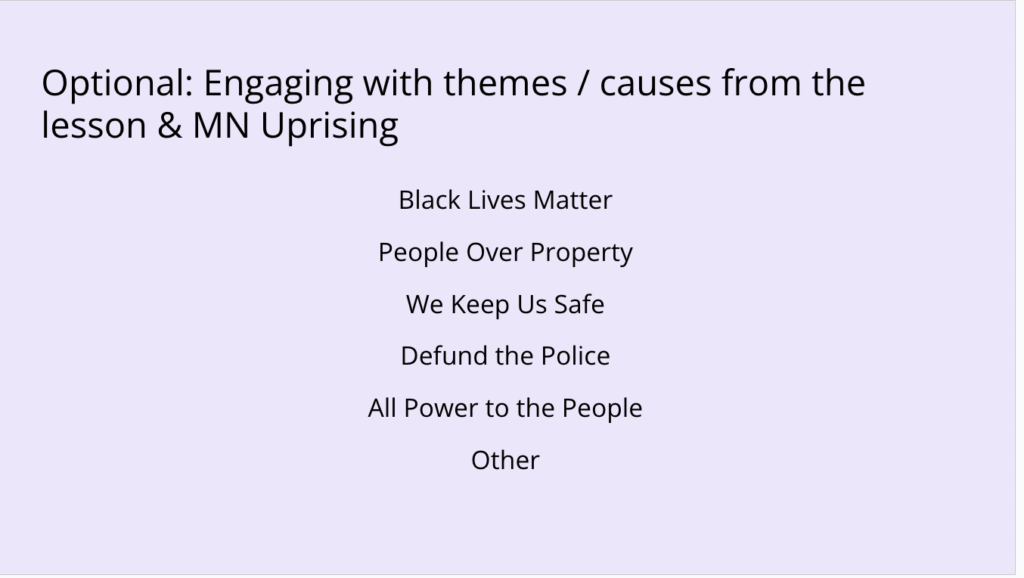
A slide offers students some “optional” themes and causes such as “Black Lives Matter,” “People Over Property,” “Defund the Police,” and “All Power to the People.”
Additional Information
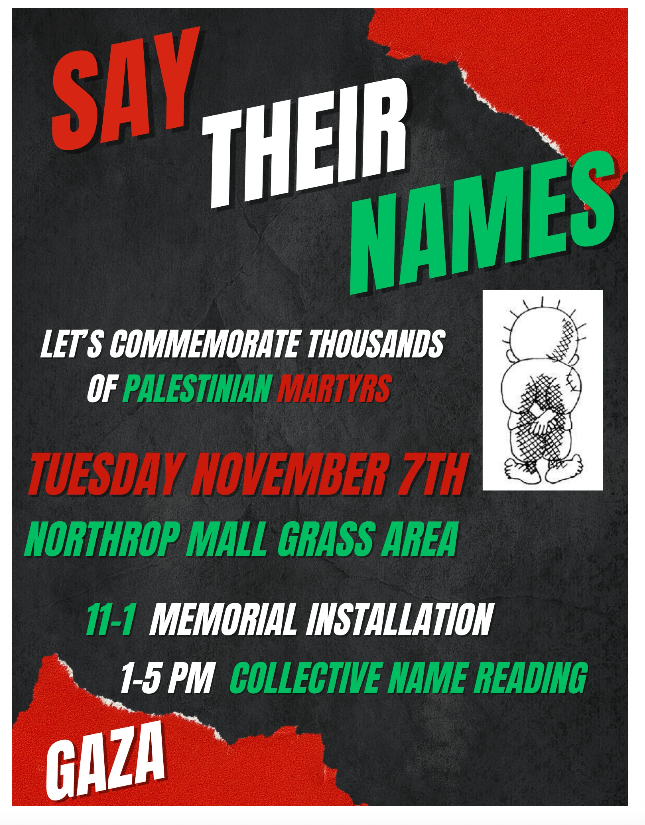
A Minnesota Data Practices request also reveals November 2023 emails from a faculty member promoting the attendance of fellow faculty to a pro-Gaza event.
The email from the UMN4Palestine group states that they “want to honor martyred Palestinians by saying their names” and that the least they could do is to “dedicate time out of our day to disrupt business as usual and to say the names of those who have lost their lives in this genocide collectively.”
The flyer included in the email reads “Let’s Commemorate Thousands of Palestinian Martyrs.”
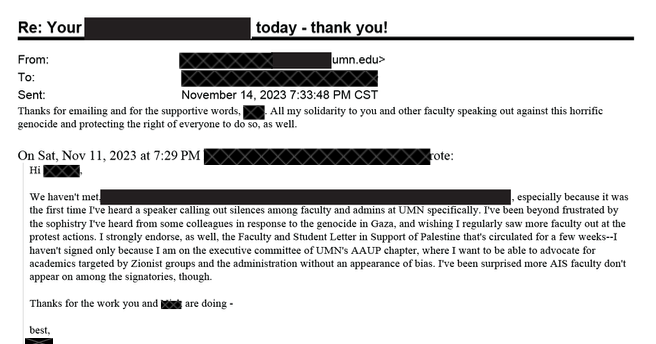
Another email dated November 14, 2023, includes an email from an Associate Professor stating they wish they “regularly saw more faculty out at the protest actions” and they “strongly endorse” the “Faculty and Student Letter in Support of Palestine.” Though the professor admits they themselves “haven’t signed [it] only because I am on the executive committee of UMN’s AAUP chapter, where I want to be able to advocate for academics targeted by Zionist groups and the administration without appearance of bias.”