



North Monterey County Unified School District ethnic studies course includes critical race theory and its tenets, whiteness, and the Wheel of Power/Privilege; a unit slide also references Osama bin Laden’s ‘Letter to America’ as evidence that the United States was intentionally targeting ‘Muslim communities’
Incidents
SUMMARY
Documents shared with Defending Education by a concerned parent reveals that North Monterey County Unified School District’s ethnic studies course includes critical race theory and its tenets, whiteness, the Wheel of Power/Privilege, and a thematic focus on power and oppression. A course unit also references Osama bin Laden’s “Letter to America” as evidence that the United States was intentionally targeting “Muslim communities.”
The district school board approved the required course at its July 23, 2026, board meeting.
KEY TAKEAWAYS
- The ethnic studies’ course description states that students will be taught to use a “critical lens” and will “gain the knowledge, skills, and disposition necessary for transformational change through positive image of self, community, and critical hope for a more just and equitable world.”
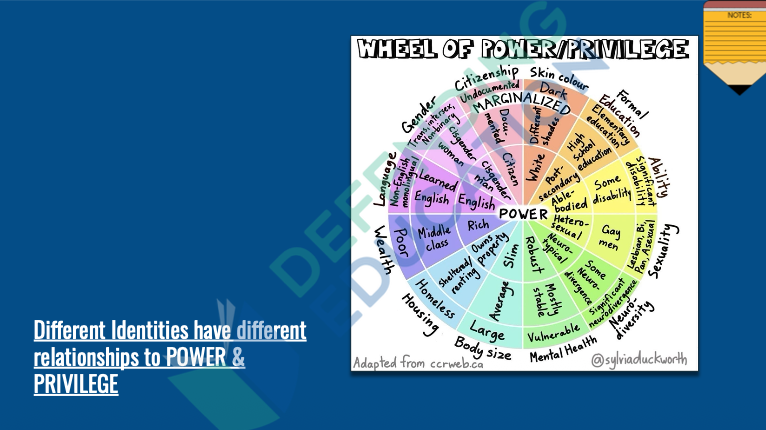
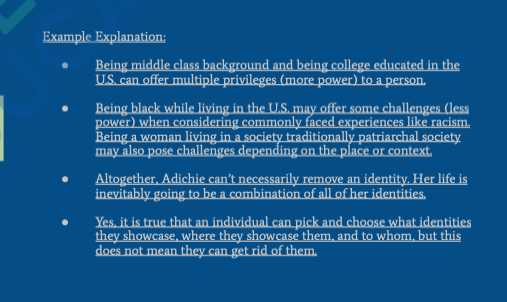
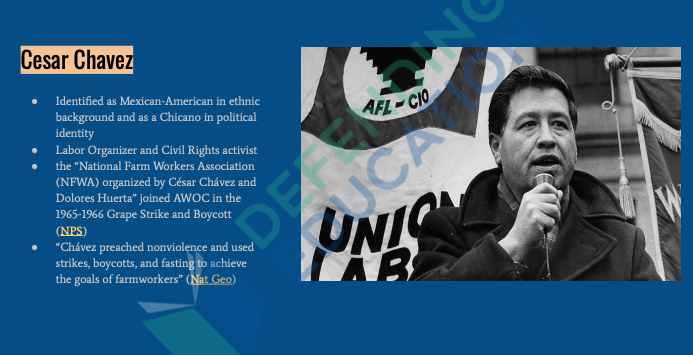
- The course’s “INTRO” unit includes the Wheel of Power/Privilege activity, critical race theory and its tenets, and Cesar Chavez.
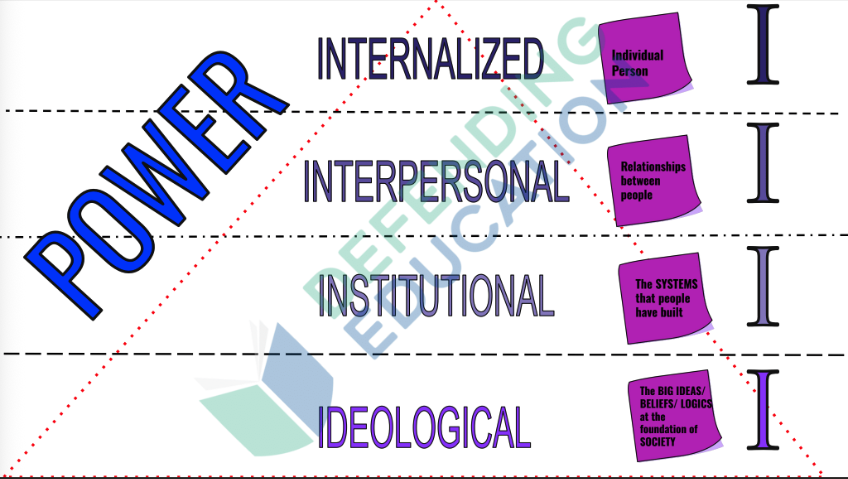
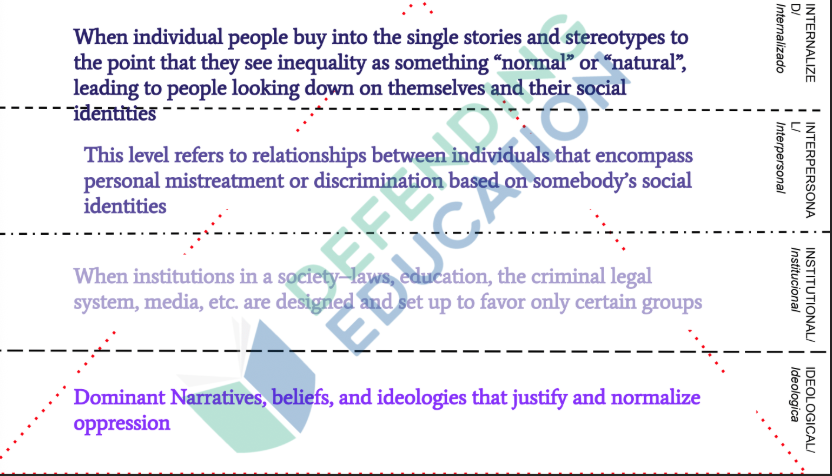
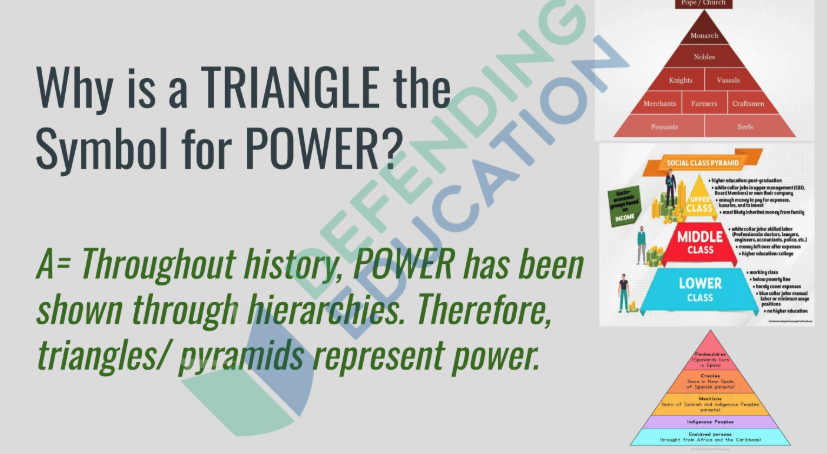
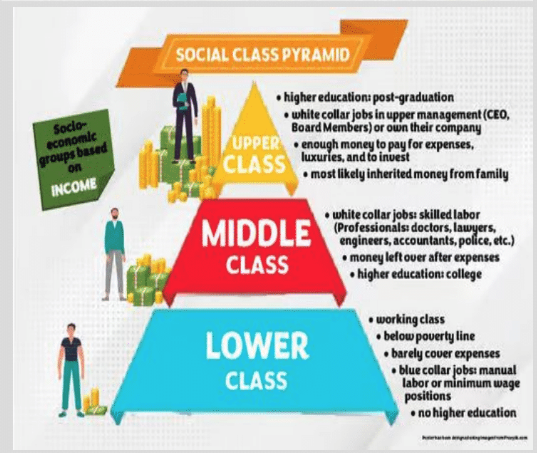
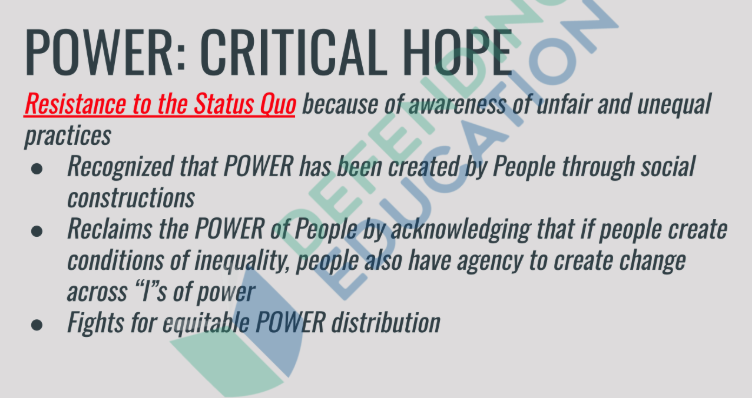
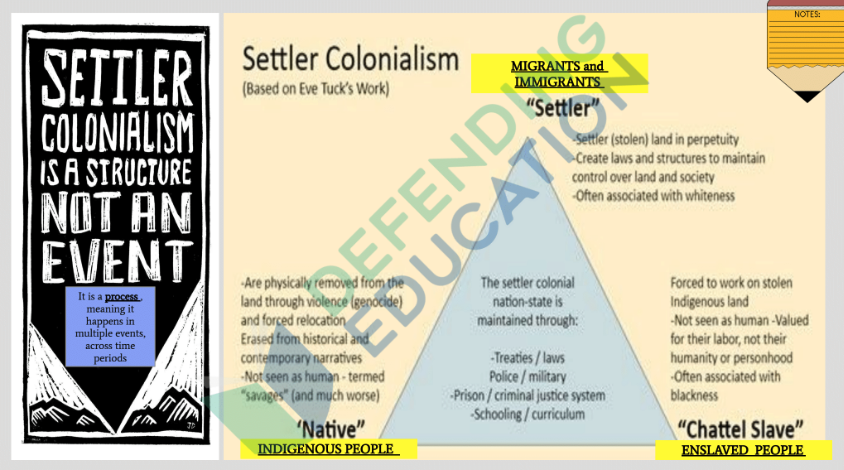
- The unit on “Power” includes topics such as the “Four I’s of Power,” “settler colonialism,” and “whiteness.” A social class pyramid places blue collar workers and manual labor jobs in the “lower class” and states that the “upper class” most likely “inherited money from family.”
- Several units advocate for “Critical Hope,” which is a concept derived from Paulo Freire’s critical pedagogy that pairs critical analysis of power and oppression (critical consciousness) with transformative action or activism to liberate people from “systemic oppression.”
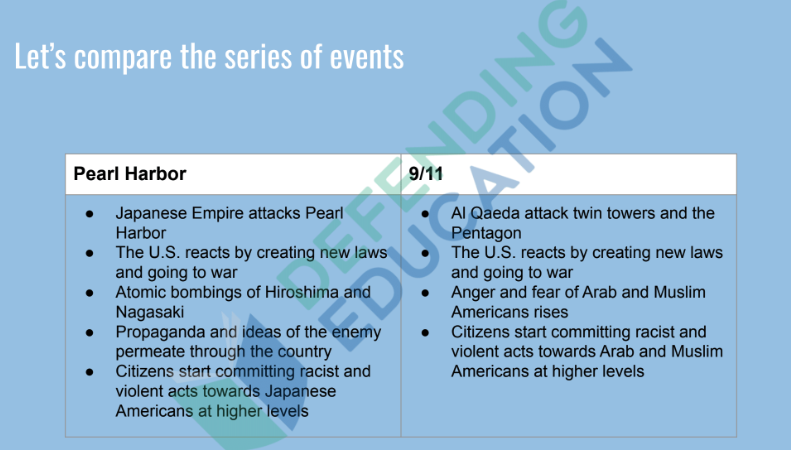
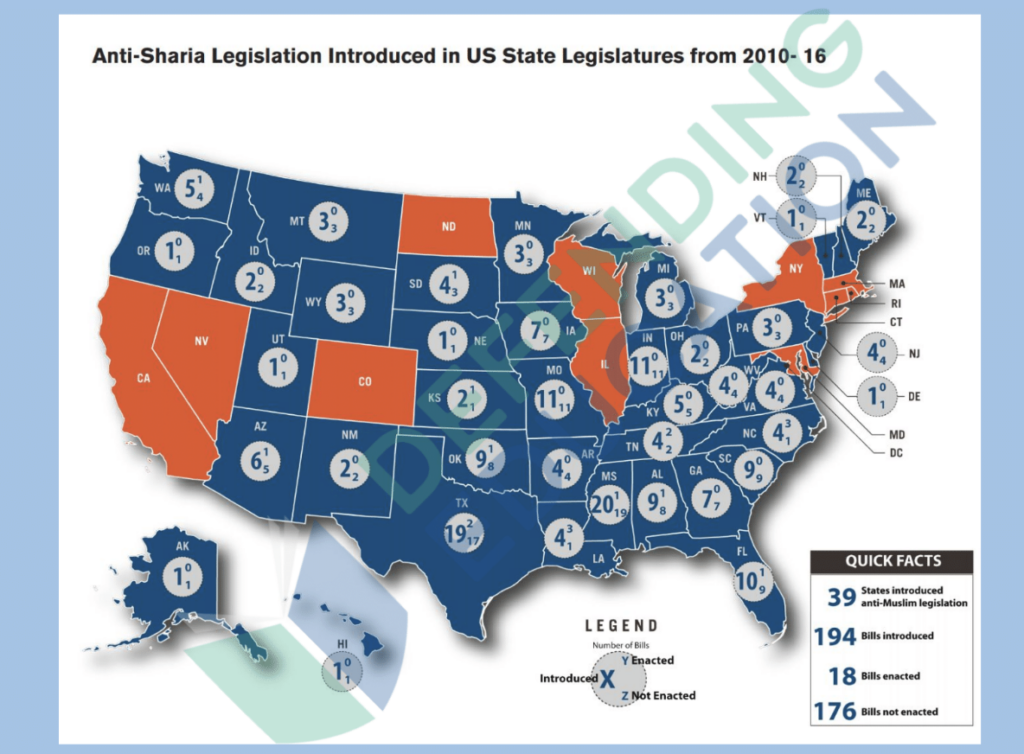
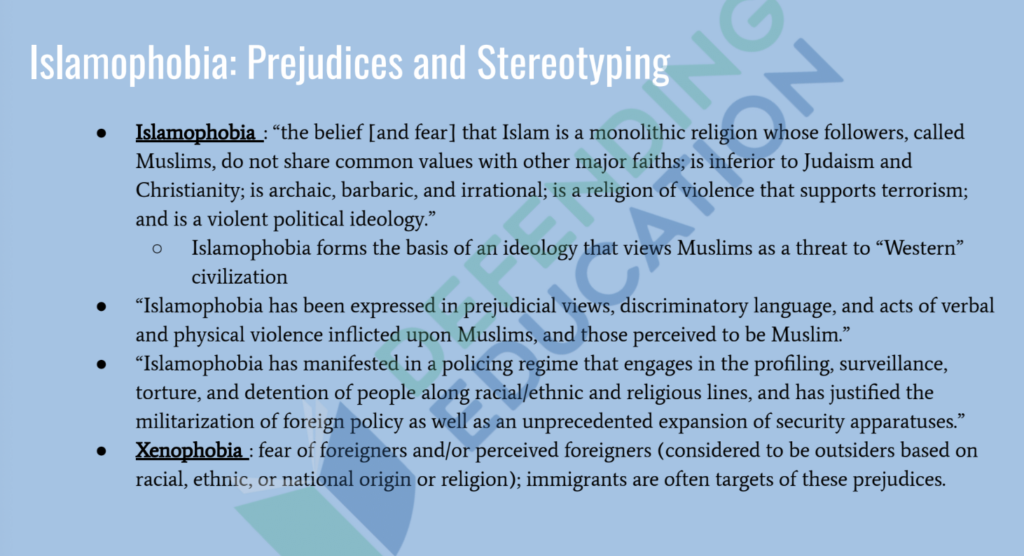
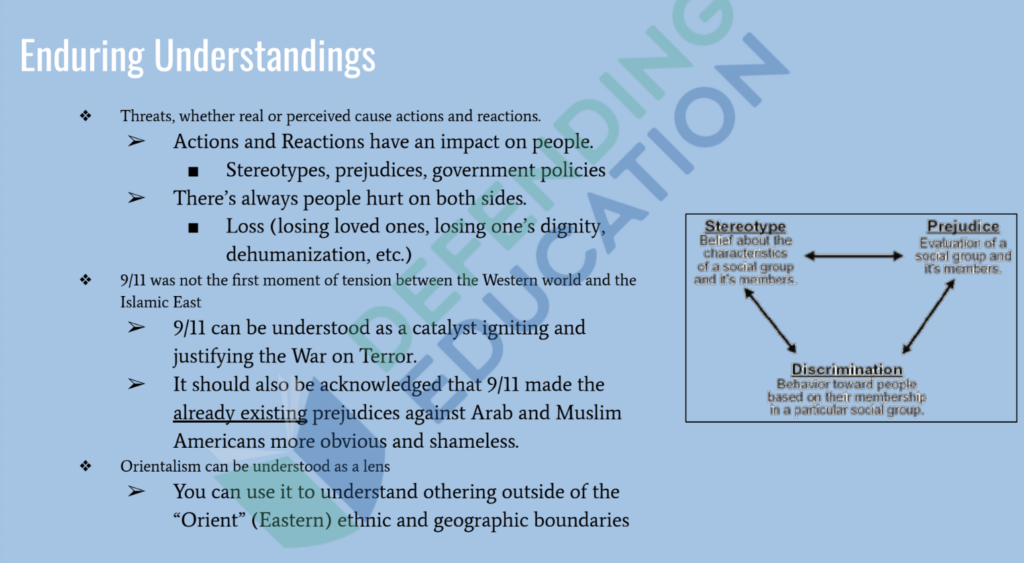
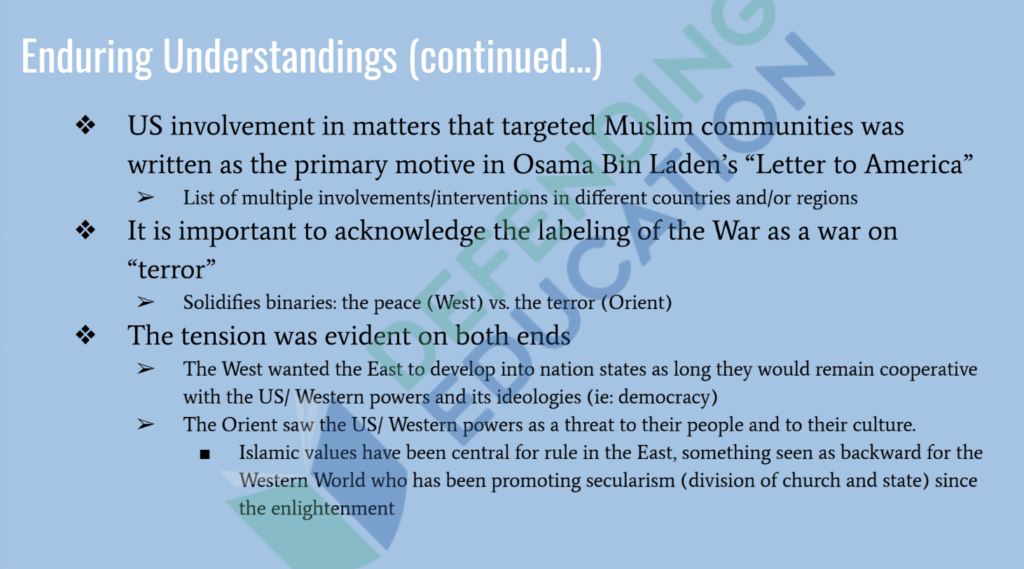
- The unit on “Othering and Belonging” focuses on “Islamophobia” and states that “9/11 made the already existing prejudices against Arab and Muslim Americans more obvious and shameless.” The unit cites Osama bin Laden’s “Letter to America” as proof that the United States was targeting “Muslim communities” and includes a map of “Anti-Sharia Legislation.”
- A unit slide also claims that “Islamic values have been central for rule in the East, something seen as backward for the Western World who has been promoting secularism (division of church and state) since the enlightenment.”
- The district had previously contracted with the University of California, Santa Cruz’s (UCSC) “The History & Civics Project” for ethnic studies professional development. The program promotes the ideas of anti-racism and whiteness and offers free resources and lessons such as “Teaching the January 6, 2021 Insurrection on Capitol Hill,” which compares the event to the Ku Klux Klan. The district did not renew its contract with UCSC for the 2025-2026 school year.
ETHNIC STUDIES COURSE
Course Description
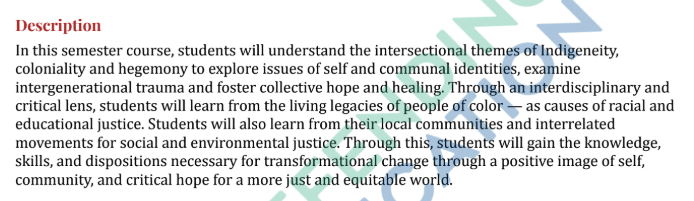
The course’s description states that “students will understand the intersectional themes of Indigeneity, coloniality and hegemony to explore issues of self and communal identities, examine intergenerational trauma and foster collective hope and healing.” Students will be taught to use a “critical lens” to learn from “the living legacies of people of color – as causes of racial and educational justice” and “gain the knowledge, skills, and disposition necessary for transformational change through positive image of self, community, and critical hope for a more just and equitable world.”
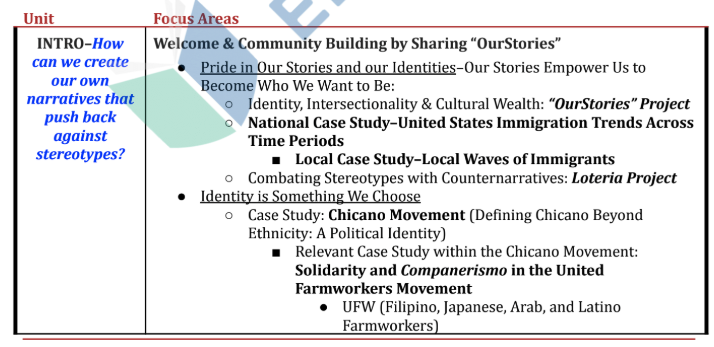
Intro Unit: How can we create our own narratives that push back against stereotypes?
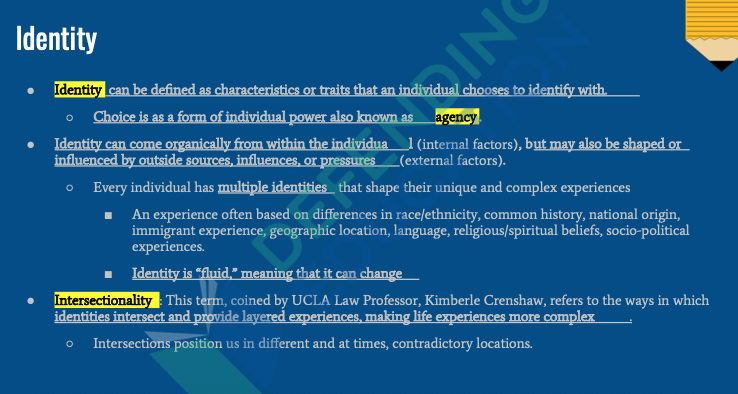
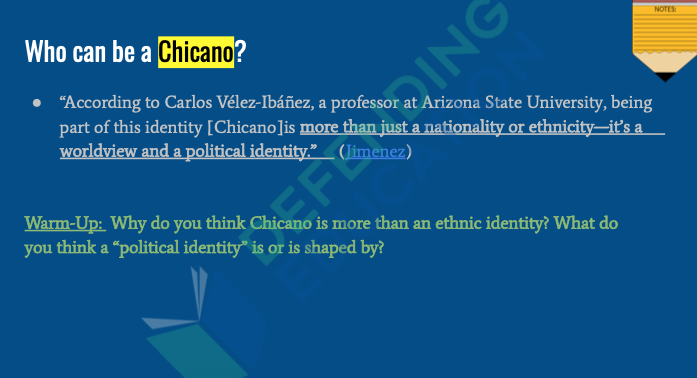
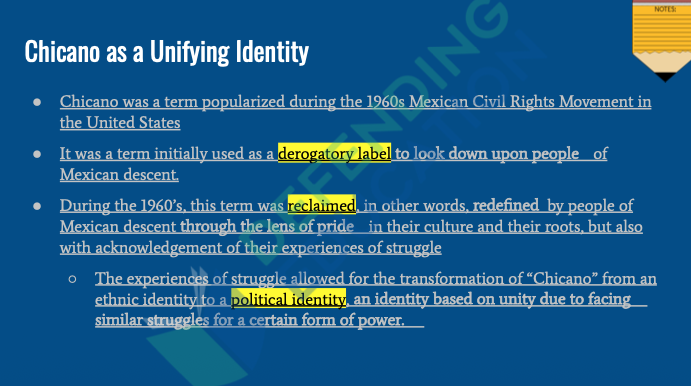
The unit titled “INTRO – How can we create our own narratives that push back against stereotypes?” includes teaching about intersectionality, critical race theory and its tenets, features the Wheel of Power/Privilege, includes Cesar Chavez, and states that “Chicano” is “more than just a nationality or ethnicity – it’s a worldview and a political identity.”
Unit 1: How did the history of schooling shape the creation of Ethnic Studies?
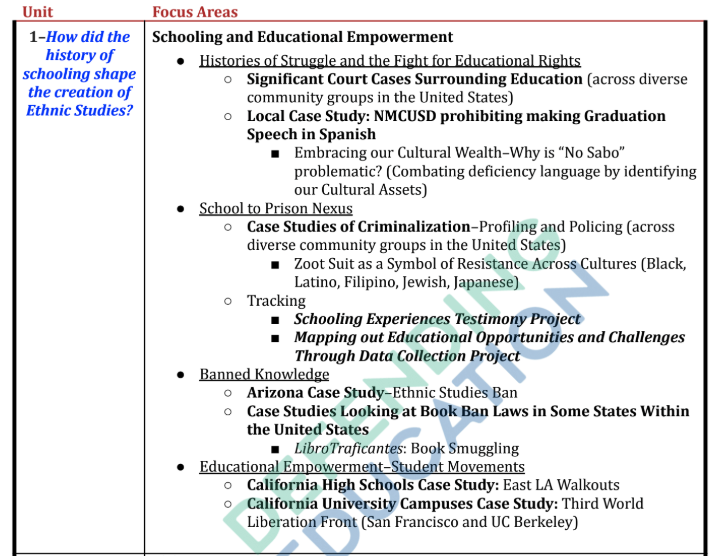
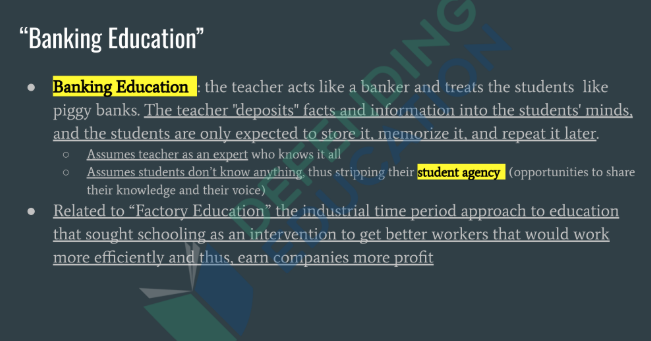
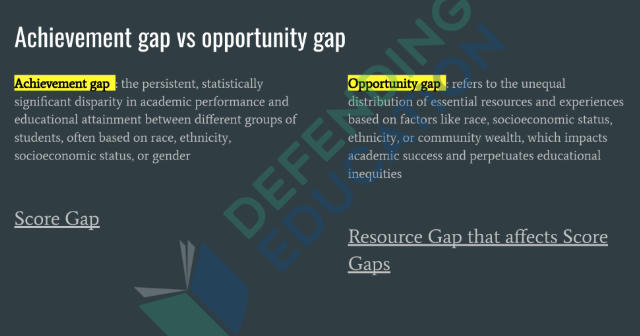
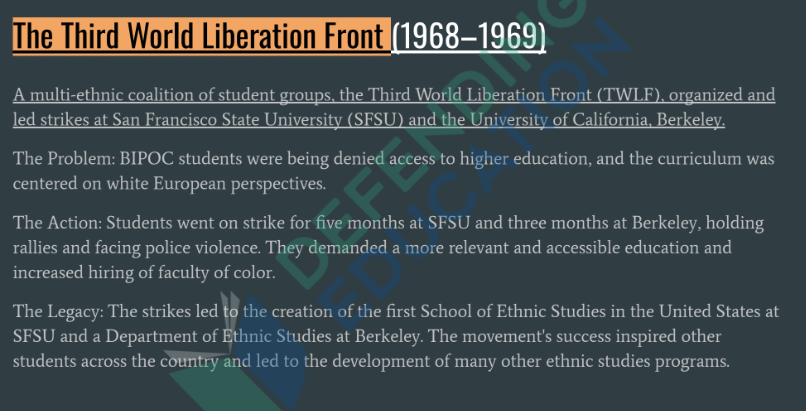
“Unit 1” includes Paulo Freire’s “Banking Education” model, celebrates past student activism such as the Third World Liberation Front (TWLF), and “banned knowledge” such as the Arizona ethnic studies ban and “book bans.”
Unit 2: How have Indigenous Peoples resisted erasure and acculturation throughout history?
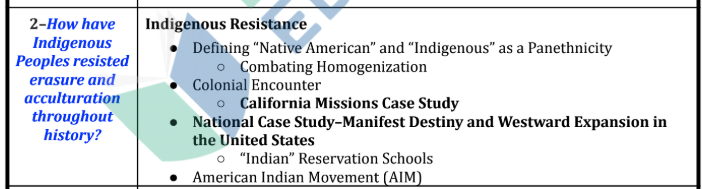
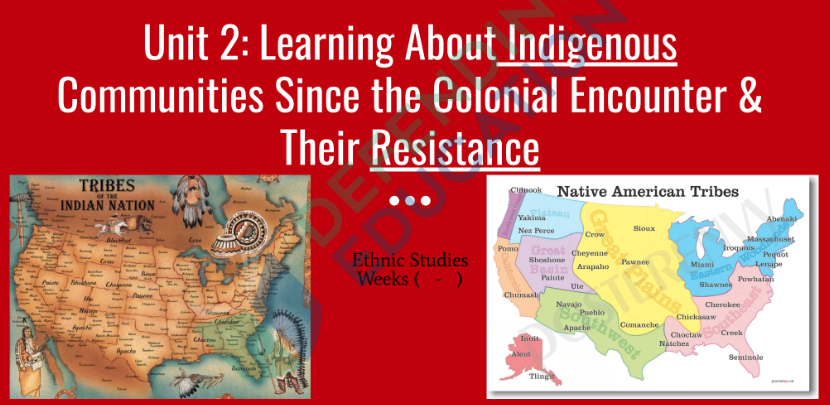
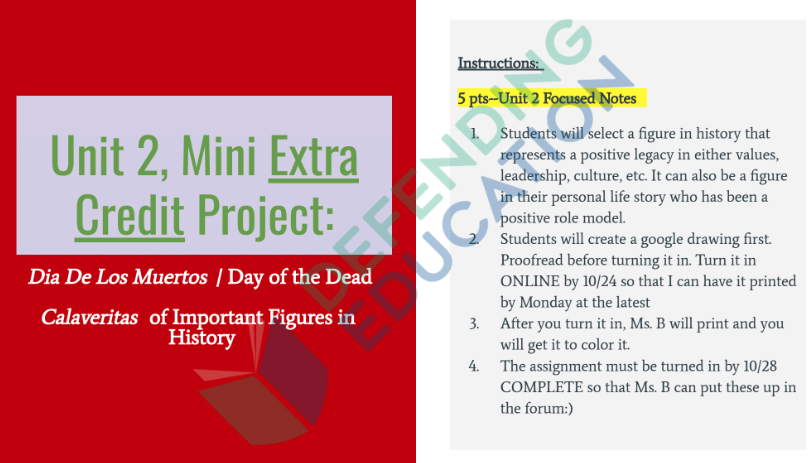
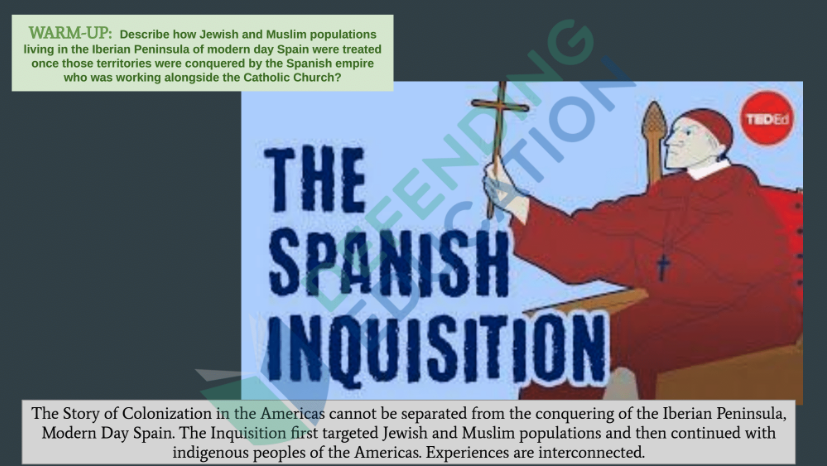
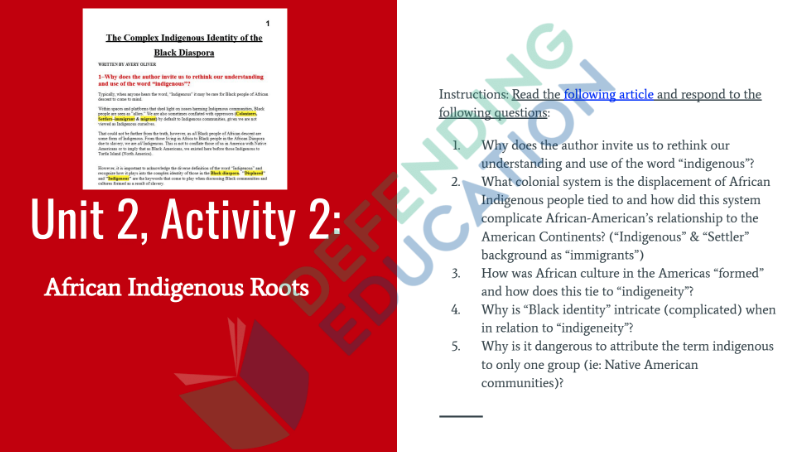
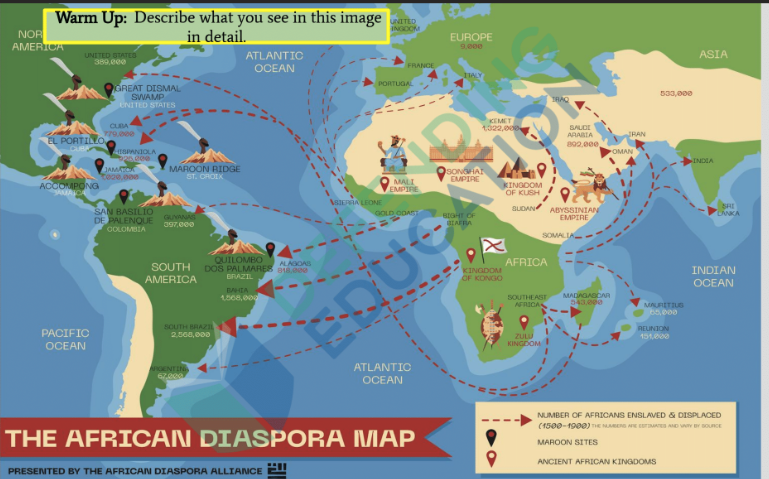
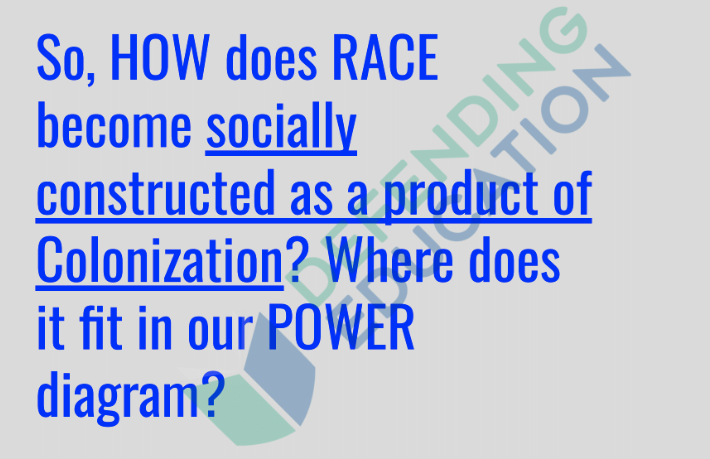
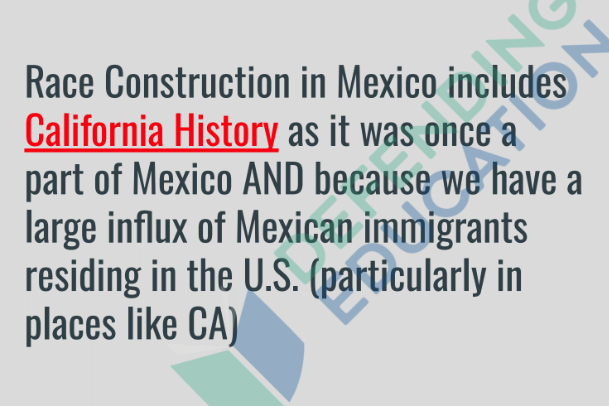
Unit 2 focuses on “learning about Indigenous Communities since the Colonial Encounter & Their Resistance.” A unit slide states that the “story of Colonization in the Americas cannot be separated from the conquering of the Iberian Peninsula, Modern Day Spain.” It continues: “The Inquisition first targeted Jewish and Muslim populations and then continued with indigenous peoples of the Americas. Experiences are interconnected.”
Unit 3: Where does POWER come from and how are worldviews shaped?
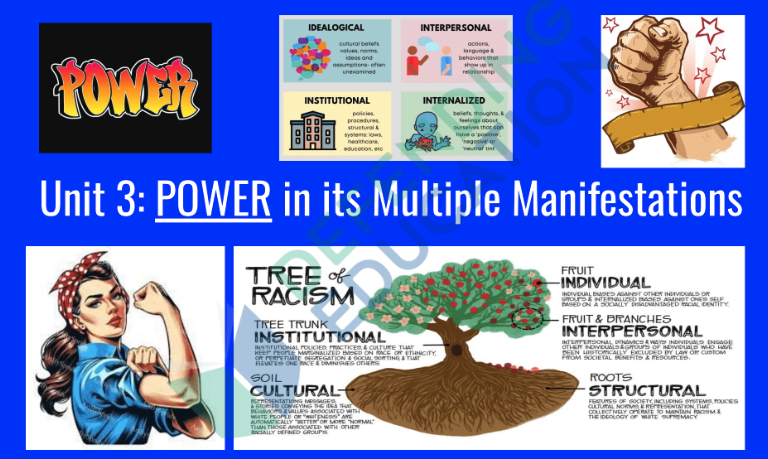
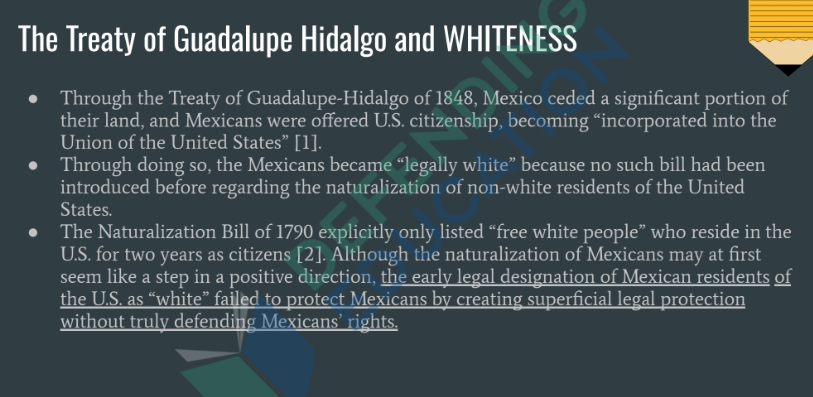
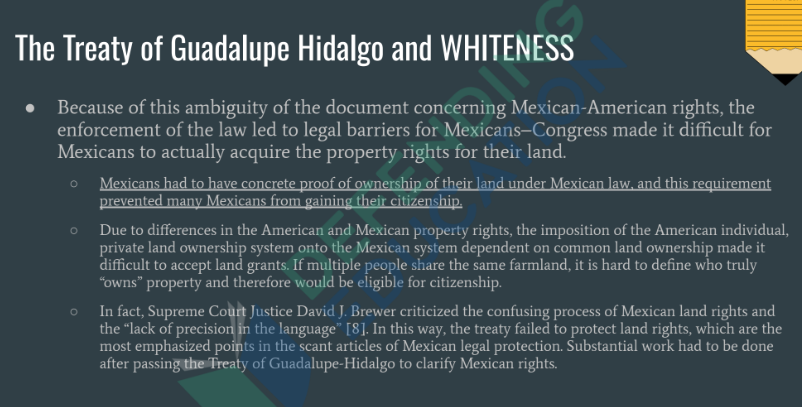
The unit on “Power” includes topics such as the “Four I’s of Power,” “settler colonialism,” and “whiteness.” A social class pyramid places blue collar workers and manual labor jobs in the “lower class” and states that the “upper class” most likely “inherited money from family.”
Unit 4: What are the origins of discrimination and how does discrimination manifest itself?
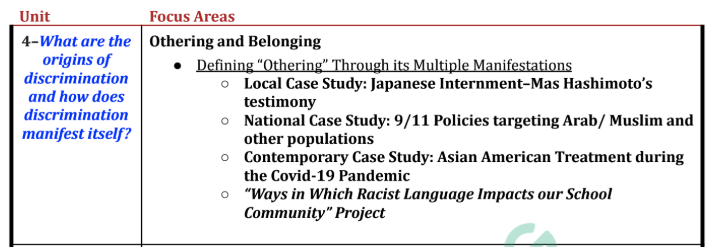
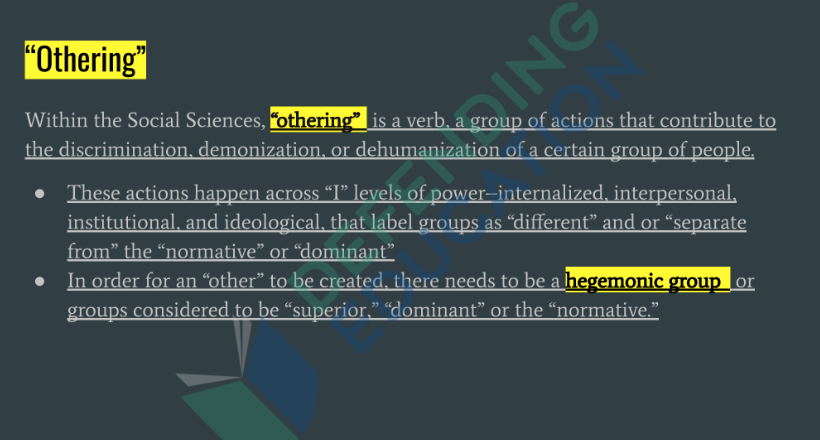
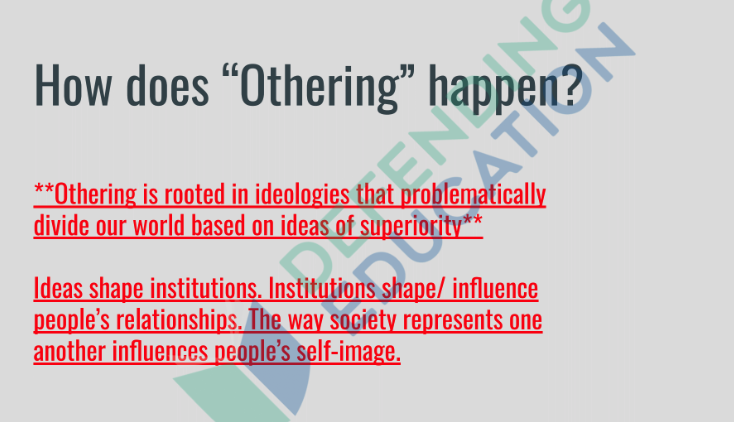
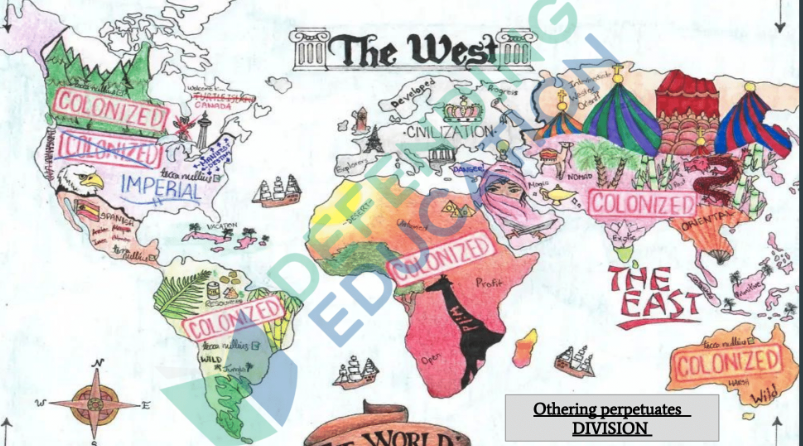
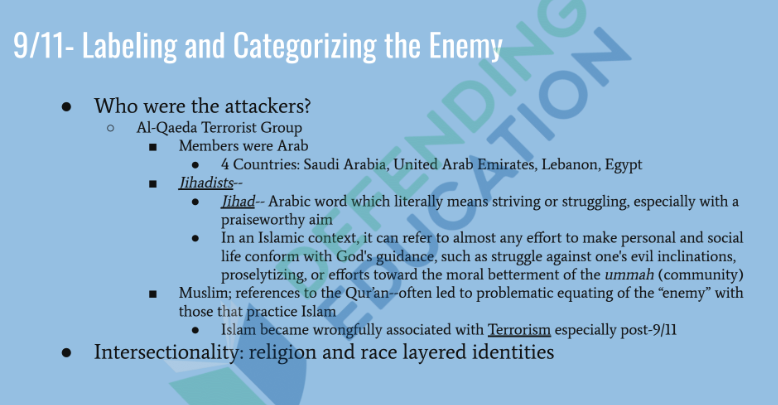
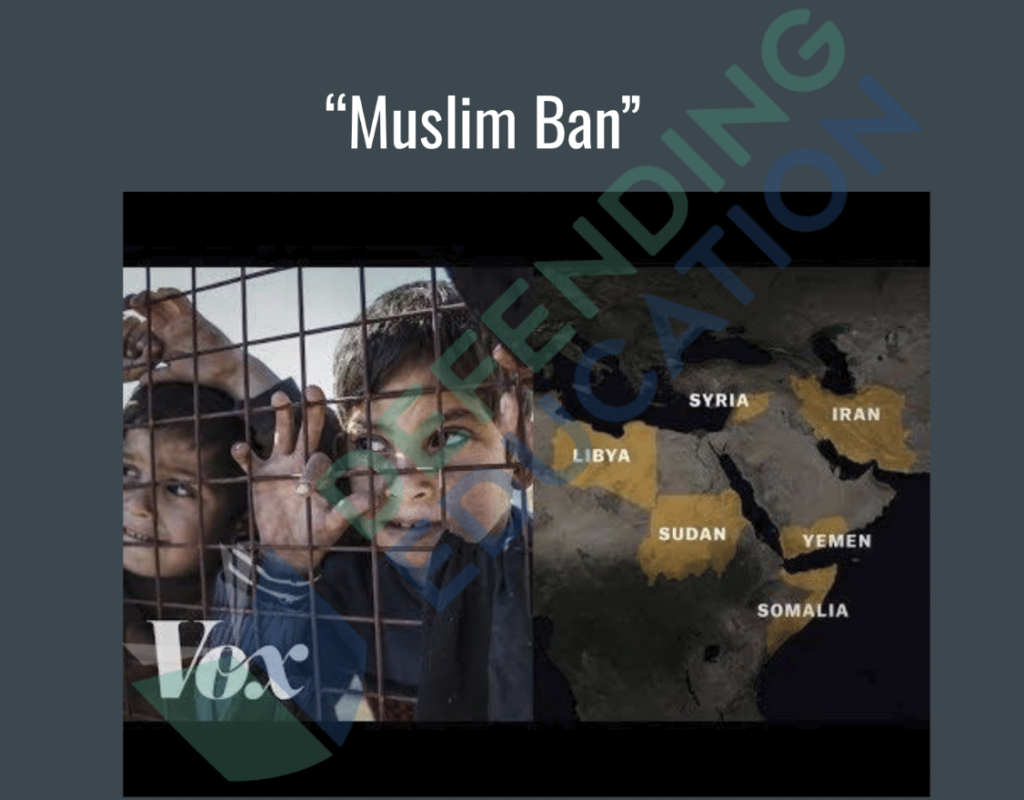
The unit on “Othering and Belonging” includes the comparison of the treatment of Japanese Americans after Pearl Harbor to “Arab and Muslim Americans” following September 11, 2001, defines “Jihad” as an “Arabic word which literally means striving or struggling, especially with a praiseworthy aim,” the “othering of Muslims and of people from the Middle East,” and “Islamophobia.”
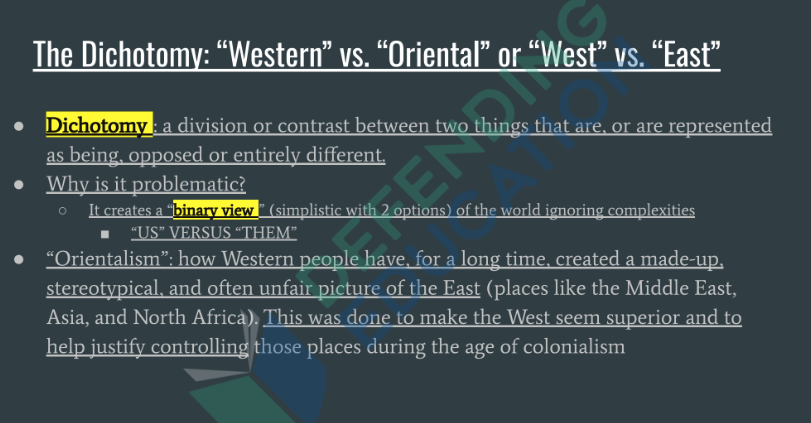
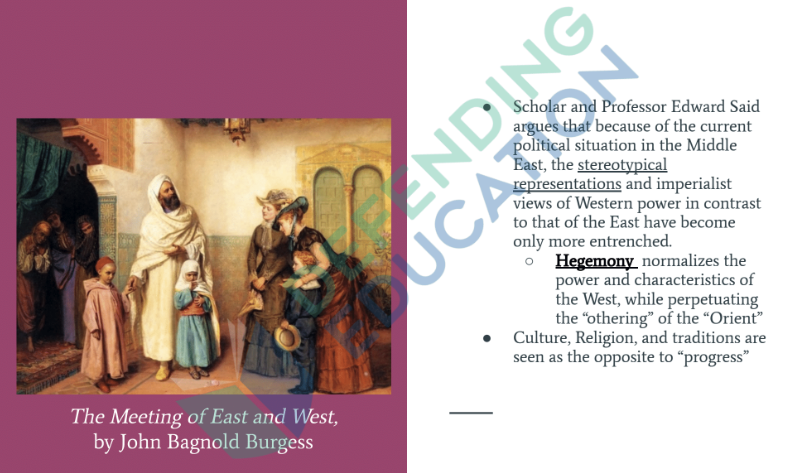
The unit’s “enduring understandings” states that “9/11 made the already existing prejudices against Arab and Muslim Americans more obvious and shameless” and cites Osama bin Laden’s “Letter to America” as proof that the United States was targeting “Muslim communities,” and reiterates the West (oppressor) versus Orient (oppressed) binary.
A slide also claims that “Islamic values have been central for rule in the East, something seen as backward for the Western World who has been promoting secularism (division of church and state) since the enlightenment.”
Unit 5: How can Ethnic Studies serve as an anchor for meaningful change and empowerment?
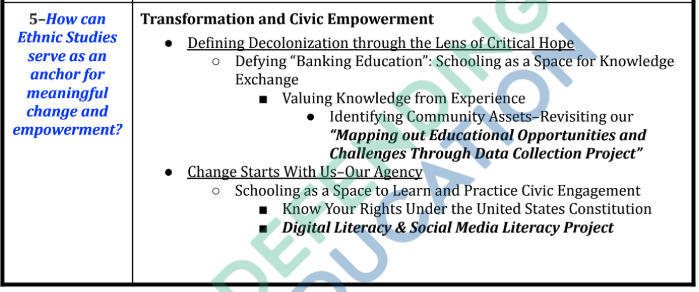
Unit 5 focuses on “decolonization through the lens of Critical Hope” and “schooling as a space to learn and practice civic engagement.”
ETHNIC STUDIES SYLLABUS
Stay Informed