



The DC Public Schools ‘Sexual Health Education and Sexual Safety Lessons’ curriculum teaches elementary students to refer to the male/female reproductive systems as ‘Person with a Penis’ or ‘Uterus’; promotes the websites of Planned Parenthood and the Southern Poverty Law Center
Incidents
- Issues
- Sex and Gender
SUMMARY
The District of Columbia Public Schools’ (DCPS) “Sexual Health Education and Sexual Safety Lessons” curriculum teaches elementary students to refer to the male and female reproductive systems as “Person with a Penis” or “Uterus,” advocates for abortion as a choice when discussing pregnancy, and promotes the websites of Planned Parenthood and the Southern Poverty Law Center’s Teaching Tolerance.
DCPS uses lessons from the Rights, Respect, Responsibility (3Rs) curriculum from Advocates for Youth, which often partners with Planned Parenthood on programming and initiatives such as the Future of Sex Education (FoSE). The organization receives funding from the Ford Foundation, New Venture Fund, Rockefeller Philanthropy Advisors, the Wellspring Philanthropic Fund, and the William & Flora Hewlett Foundation.
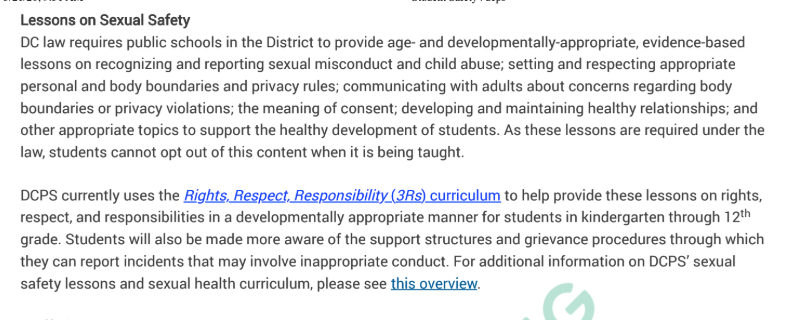
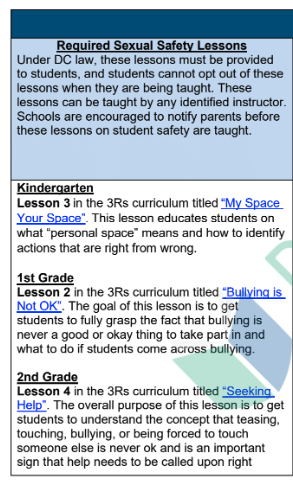
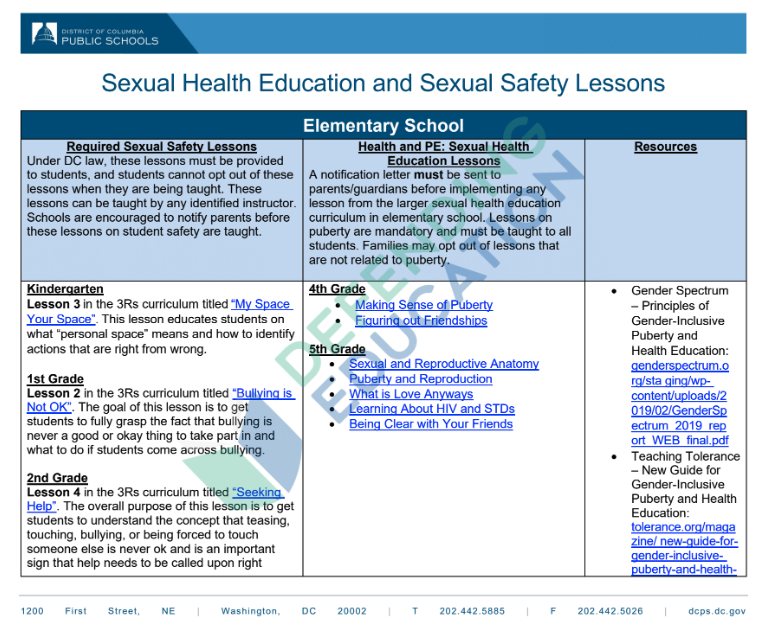
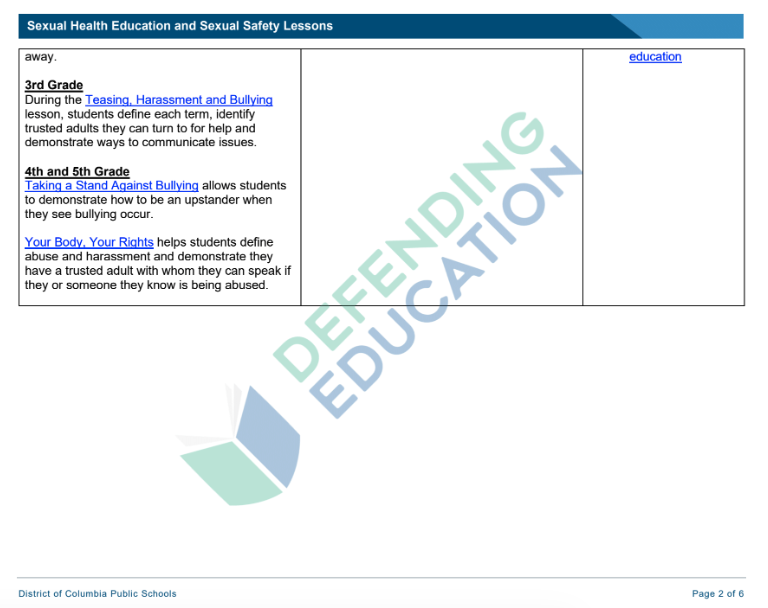
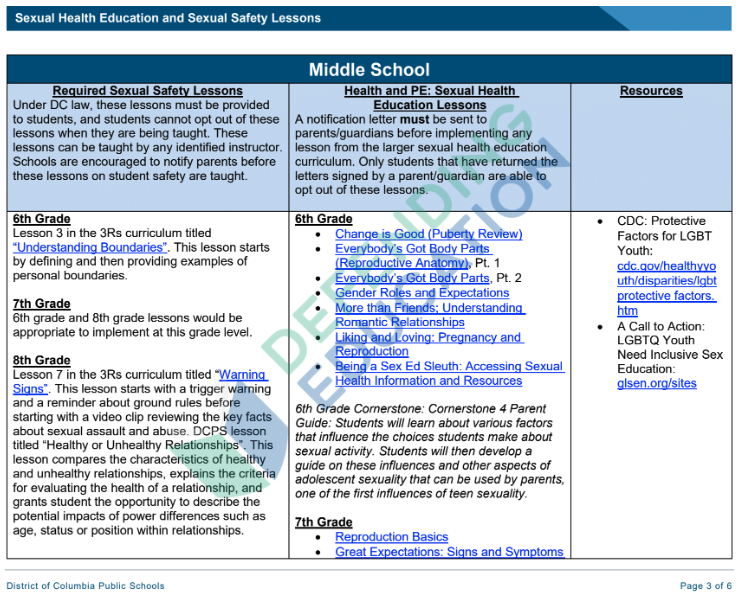
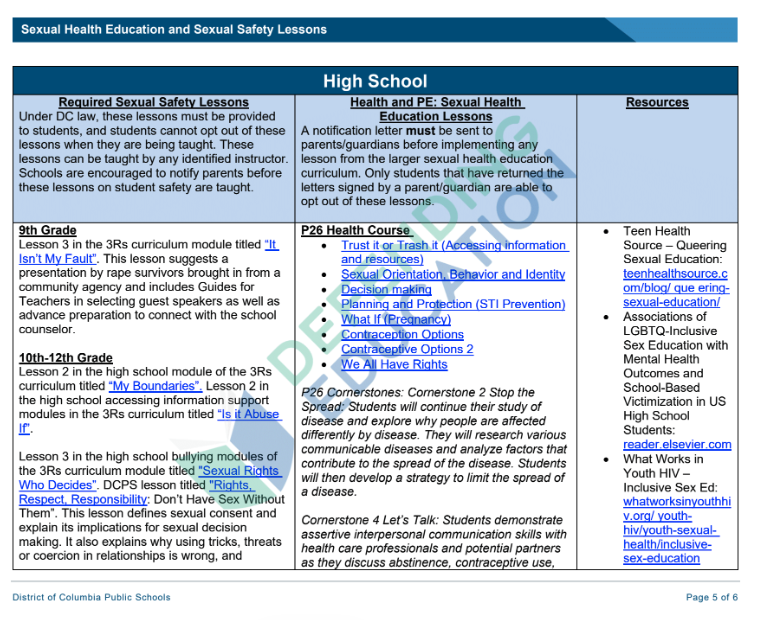
According to the district, lessons labeled “Sexual Safety Lessons” are required under District of Columbia law and “students cannot opt out of this content when it is being taught.”
KEY TAKEAWAYS
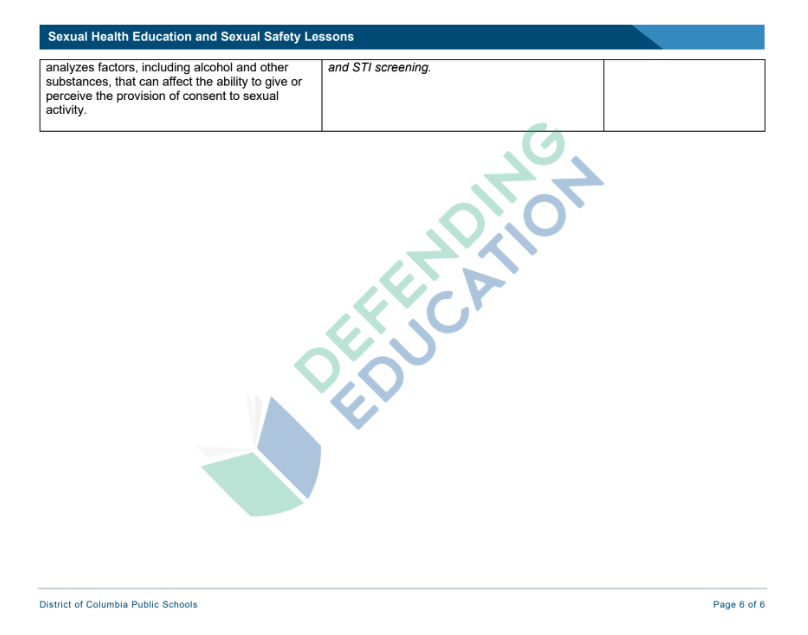
- The “Lessons on Sexual Safety” are required by District of Columbia law and “students cannot opt out of this content when it is being taught.”
- The DCPS document also includes resources from the Southern Poverty Law Center’s Teaching Tolerance (now Learning for Justice) and Gender Spectrum.
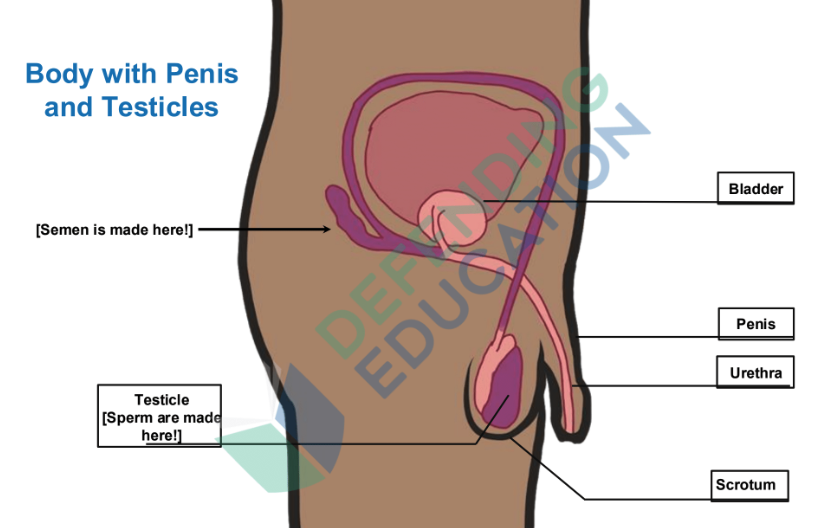
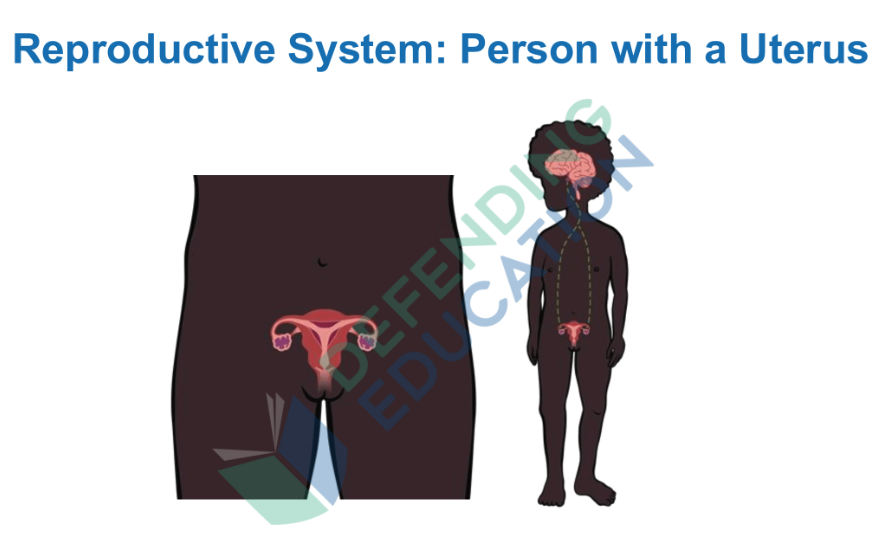
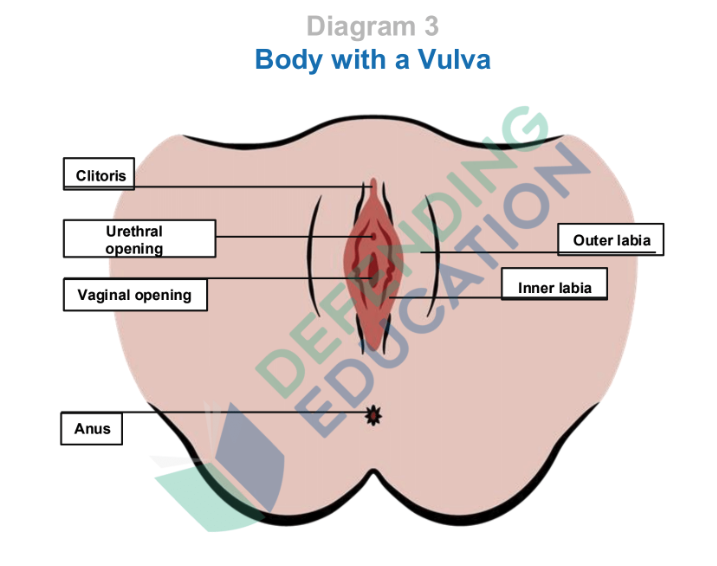
- A fifth-grade lesson titled “Sexual and Reproductive Anatomy” teaches elementary students to refer to the male reproductive system as a “Person with a Penis” or “Body with Penis and Testicles”; while referring to the female reproductive system as a “Person with a Uterus” or “Body with a Vulva.”
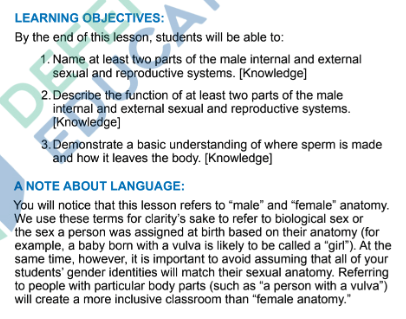
- A sixth-grade lesson notes that it is “important to avoid assuming that all of your students’ gender identities will match their sexual anatomy” and that “referring to people with particular body parts (such as ‘a person with a vulva’) will create a more inclusive classroom than ‘female anatomy.'”
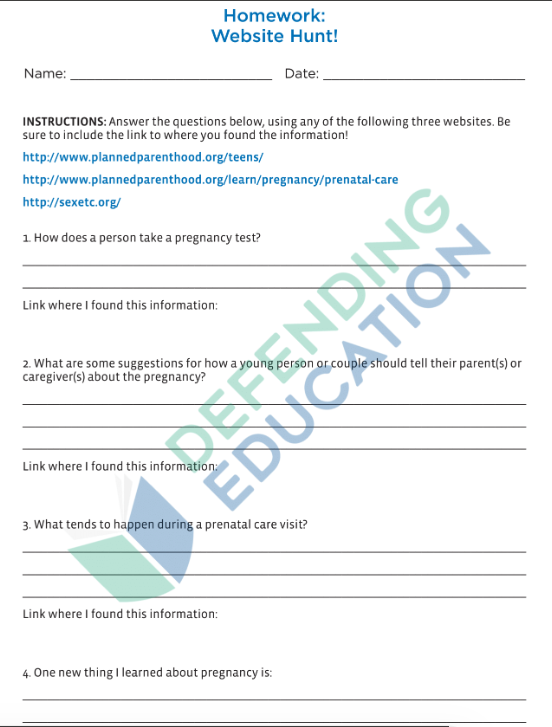
- A ninth-grade course titled “What if…?” focuses on pregnancy and promotes “choices” including giving birth, adoption, or abortion. A homework assignment included with the lesson has students navigate to Planned Parenthood’s website to search for answers.
SEXUAL HEALTH EDUCATION CURRICULUM
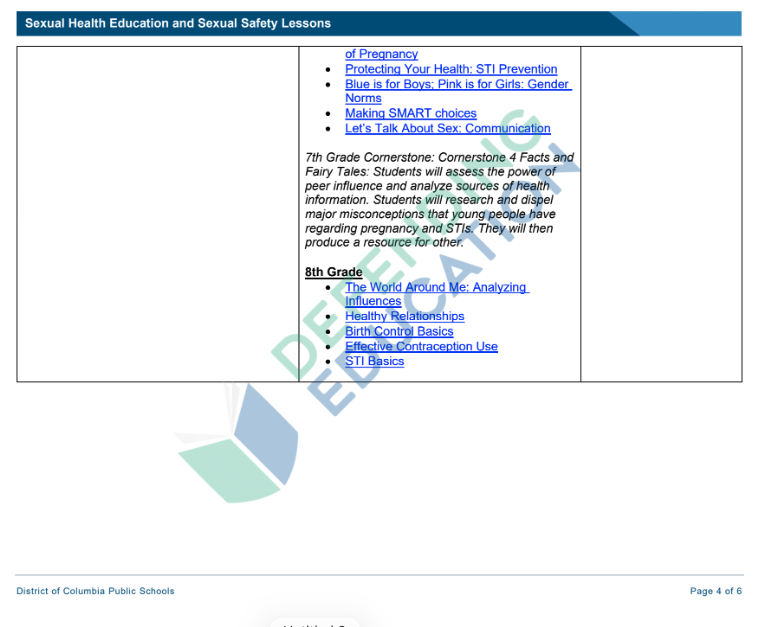
The following lessons are part of the district’s “Health and PE: Sexual Health Education Lessons” curriculum. All lessons come from Advocates for Youth’s Rights, Respect, Responsibility (3Rs) curriculum.
FIFTH GRADE
Lesson: Sexual and Reproduction Anatomy
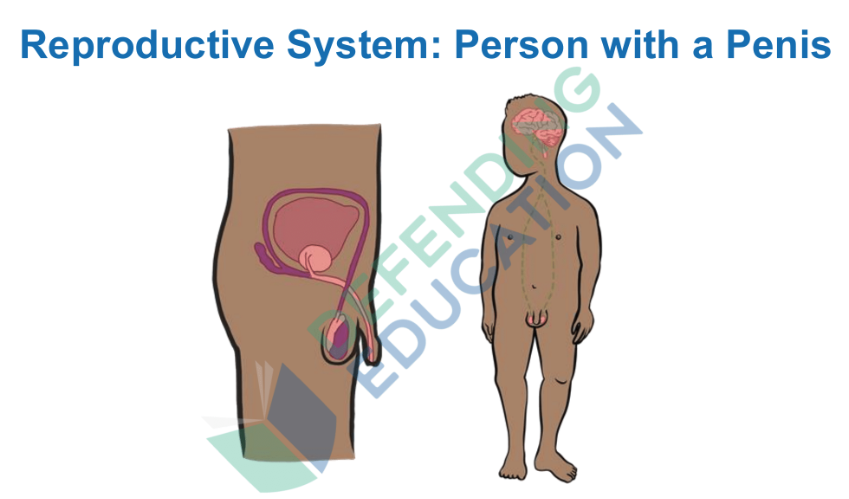
The fifth-grade lesson titled “Sexual and Reproduction Anatomy” focuses on students being able to “correctly name at least two parts of the two sexual and reproductive systems” and “two functions.” The lesson labels the male reproductive system as a “Person with a Penis” or “Body with Penis and Testicles” while labeling the female reproductive system as a “Person with a Uterus” or “Body with a Vulva.”
SIXTH GRADE
Lesson: Everybody’s Got Body Parts (Parts one and two)
The lessons titled “Everybody’s Got Body Parts” focus on the female and male reproductive systems, their functions, and the menstrual cycle. A note to teachers about “language” states that “this lesson refers to ‘male’ and ‘female’ anatomy” and that the lesson uses these “terms for clarity’s sake to refer to biological sex or the sex a person was assigned at birth based on their anatomy (for example, a baby born with a vulva is likely to be called a ‘girl’).” The document also notes that it is “important to avoid assuming that all of your students’ gender identities will match their sexual anatomy” and that “referring to people with particular body parts (such as ‘a person with a vulva’) will create a more inclusive classroom than ‘female anatomy.'”
NINTH GRADE
Lesson: What if…?
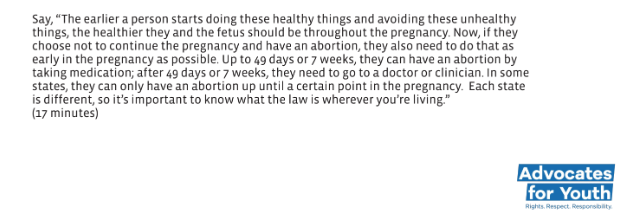
A ninth-grade lesson titled “What if…?” focuses on pregnancy and the choices they have including becoming a parent or parents, adoption, and abortion. The document instructs the teacher to state that if a female chooses “not to continue the pregnancy and have an abortion, they also need to do that as early in the pregnancy as possible.” It also adds that “up to 49 days or 7 weeks, they can have an abortion by taking medication,” but after “49 days or 7 weeks, they need to go to a doctor or clinician.”
A homework assignment for the lesson asks students to answer questions by using the Planned Parenthood website.
SEXUAL HEALTH EDUCATION AND SEXUAL SAFETY LESSONS DOCUMENT
Stay Informed