

Summary
Albemarle County Public Schools emphasizes equity, diversity, and anti-racism through its curriculum, teacher training, and policies, requiring students to engage with concepts like race, power, and privilege while promoting inclusive values.
The district has also implemented equity-based grading and culturally responsive teaching practices, boasting 100% culturally responsive teaching practices and anti-racism certification across the district.
Key Takeaways
- Students, as part of the district’s “Portrait of a Graduate,” must demonstrate “increased awareness” about the “dynamics between race, power, and privilege.” This emphasis on race, power, and privilege is also a requirement in curricula.
- In the same “Portrait of a Graduate,” under a section devoted to “Social Justice,” students are told to “Uphold a commitment to equity, diversity, and inclusion.”
- In an “Anti-Racist Learning Experience Vetting Tool” designed to help teachers develop anti-racist curriculum, there should be a “Critical Examination of Knowledge and Power” as well as “Multiple Perspectives” included. Specifically, according to the district, this means that content should be filtered through “power, position, and bias;” students should realize social studies teaching is “inherently ideological;” students should want to “take action” for more “just systems;” and, ultimately, people from “marginalized groups” should often be considered “experts and authorities.”
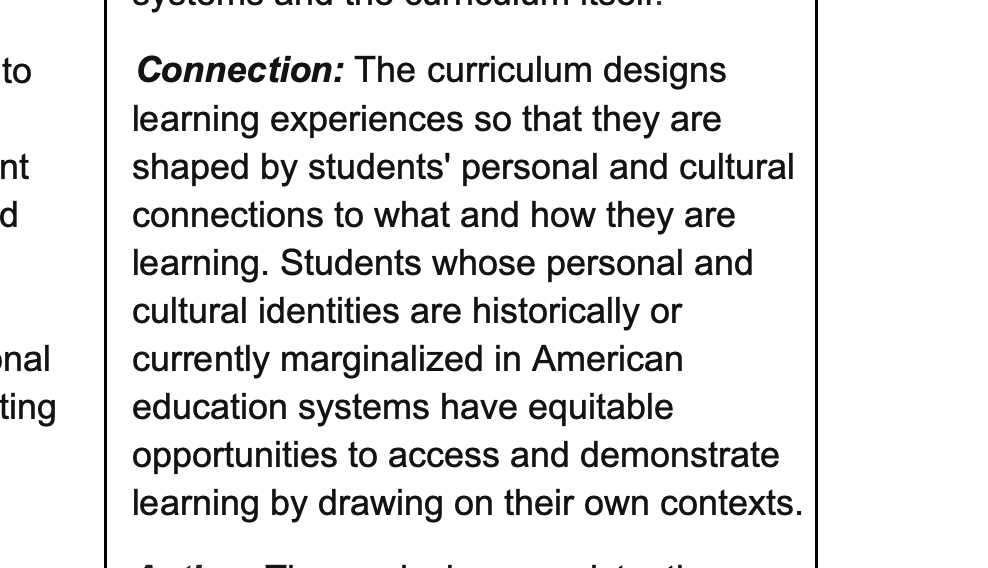
- According to this tool, learning standards are different for those who are currently or historically “marginalized.” Also according to the tool, “Students whose personal and cultural identities are historically or currently marginalized in American education systems have equitable opportunities to access and demonstrate learning by drawing on their own contexts.”
- ACPS possesses an equity-based grading system, in which students are allowed multiple attempts on assignments, no zeroes are given, and behavior is not graded. Specifically, students receive a 50% for doing no work, and participation, effort, and behavior are not considered.
- All Albemarle teachers must receive CRE training. Through a “Culturally Responsive & Anti-Racist Curriculum Assessment Tool,” teachers are required to adapt curriculum and assessment formats so that diverse learners can perform better, as seen here: “2.2 Considers and utilizes assessment modes that help diverse student groups best demonstrate learning.”
- In October 2025, a Turning Point USA event at Western Albemarle High School sparked backlash when a school board member called it “hate speech,” compared the group to the KKK, and urged complaints, arguing it violated school policy.
Equity, Anti-Racism, and Culturally Responsive Teaching in the Classroom
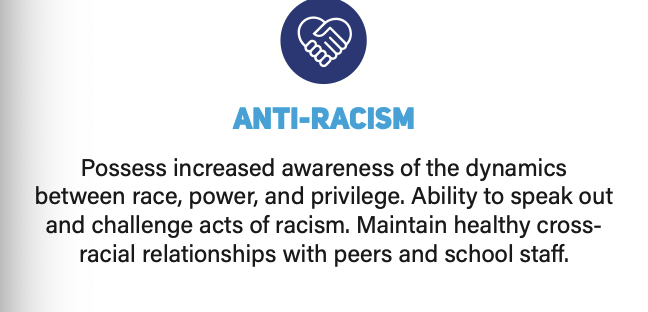
In ACPS’ Strategic Plan, a section titled “Portrait of Learner”–detailing the skills and values that the district hopes students adopt–include anti-racism and social justice and inclusion. Specifically, under criteria for anti-racism, students should “possess increased awareness of the dynamics between race, power, and privilege.”
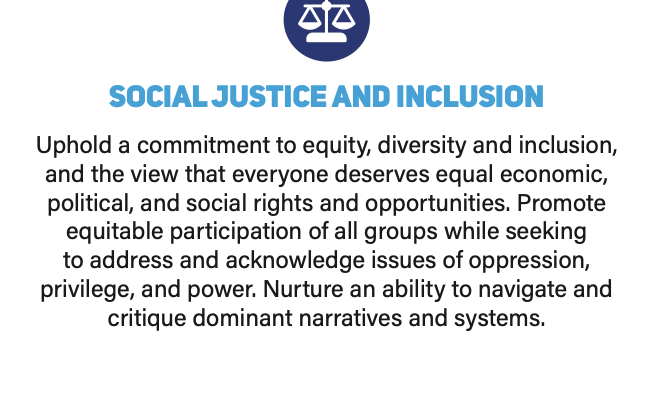
Under the section on social justice, students should “Uphold a commitment to equity, diversity and inclusion…Promote equitable participation of all groups while seeking to address and acknowledge issues of oppression, privilege, and power.”
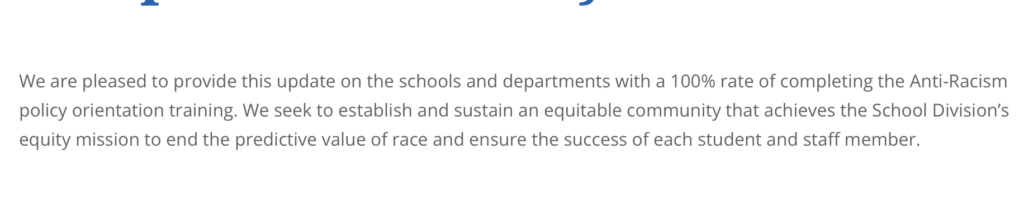
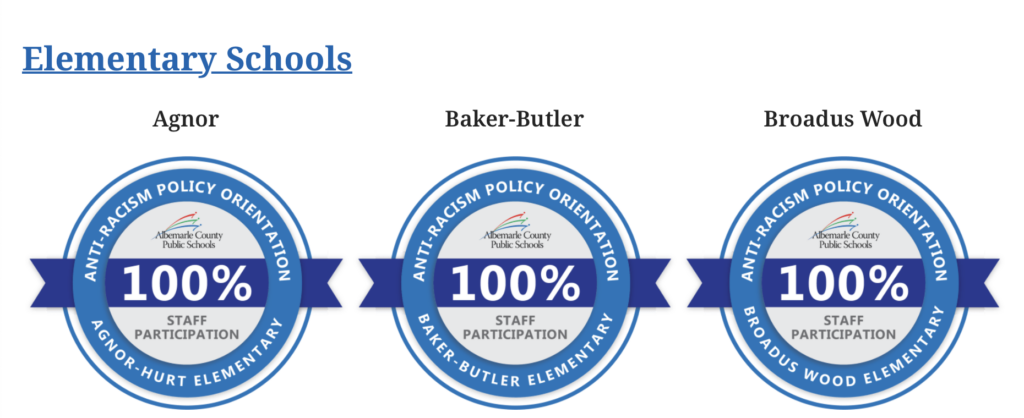
Additionally, the school district praises that all schools have 100 percent staff participation in an “Anti-Racism Policy Orientation.” ACPS first launched its “Anti-Racism Policy” in 2019.
Aside from equity and anti-racism initiatives, all teachers in Albemarle County must complete CRE credential requirements.
Part of the requirement for Albemarle County educators is following the “Culturally Responsive & Anti-Racist Curriculum Assessment Tool” created by ACPS. This tool consists of three “CRT Characteristics,” as shown below.
CRT Characteristic 2 reads, “Culturally Responsive Teachers teach to and through culture as they plan curriculum and instruction that is differentiated, rigorous, and relevant.”
Underneath that title, it is revealed that this includes adopting assessment modes based on race, collecting data based on social and cultural groups (oftentimes, race), and supporting anti-racism in the classroom:
“2.1 Disaggregates assessment, engagement, behavioral, and attendance data by student social and cultural groups and identifies and applies differentiated strategies to address growth and learning needs of all students with specific attention to students who are impacted by equity, opportunity, and achievement gaps.”
“2.2 Considers and utilizes assessment modes that help diverse student groups best demonstrate learning.”
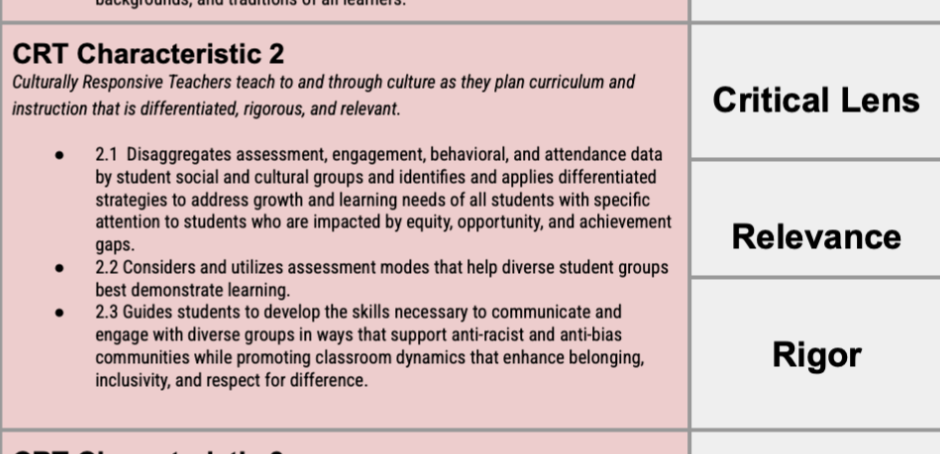
Another requirement is the “Critical Lens,” through which educators are posed the question, “Are students encouraged to examine materials, events, and institutions critically, through their and others’ cultural lenses, attending to power, privilege, and bias?”

The full Assessment Tool is at the bottom of this report.
Albemarle County’s emphasis on anti-racism particularly took root in English Language Arts classes during 2020. Seventeen educators, which included librarians and high school teachers, met for a discussion on “Letting Go of Literary Whiteness” with the goal of “implementing anti-racist literature.”
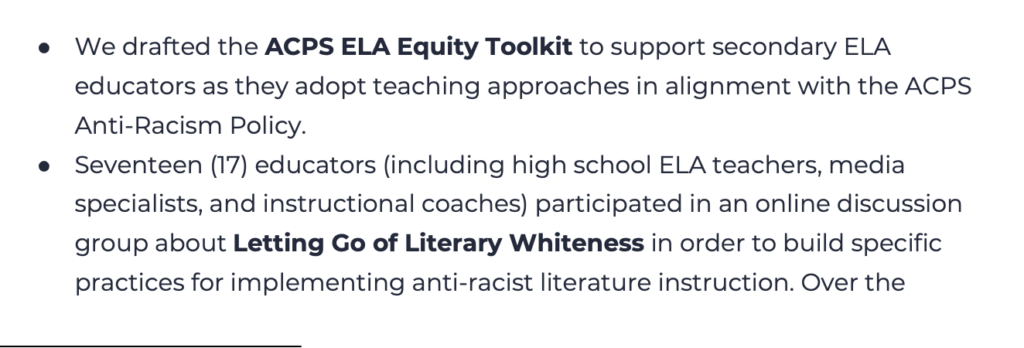
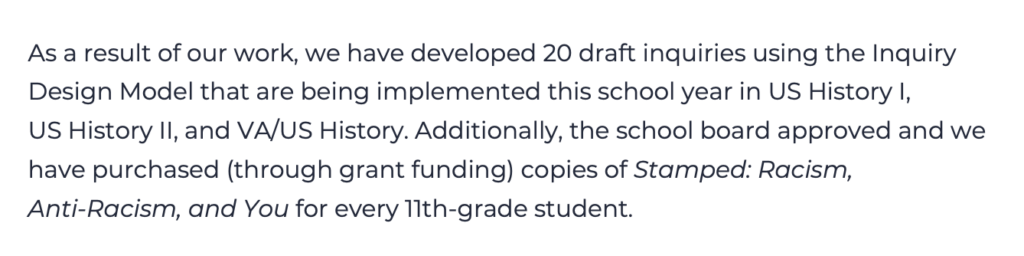
In social studies, Albemarle received a three-year grant (beginning in the 2020-21 school year) to fund an initiative titled “Reframing the Narrative.” The goal of this initiative was to “develop anti-racist and culturally responsive curricula for grades 6-12.”
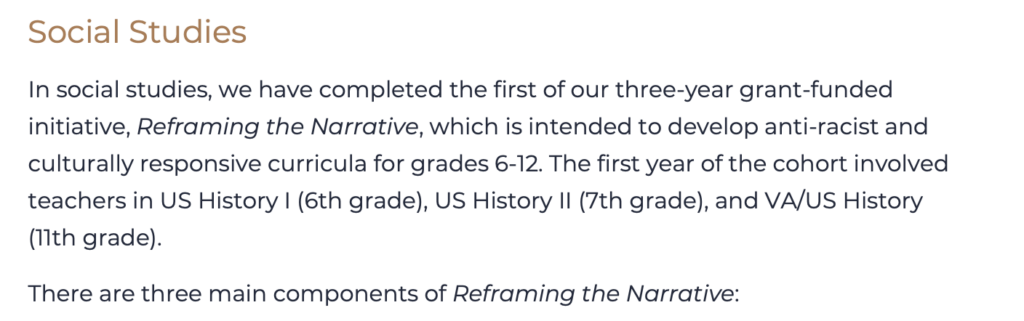
The grant funded copies of the book Stamped: Racism, Anti-Racism, and You for every 11th-grade student in the district.
Albemarle County’s 21-day Equity Challenge
A partnership between ACPS and the Albemarle County Office of Equity & Inclusion created the “21-Day Equity Challenge”–an initiative “designed to bring awareness to the challenges and opportunities of equity for groups within our community.”
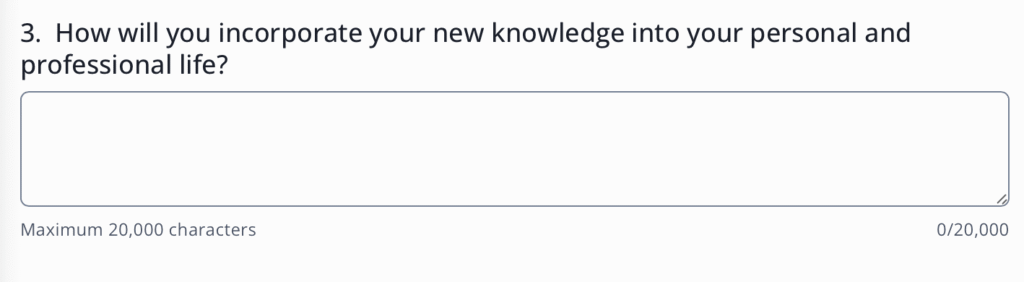
At the end of the challenge in a series of reflection questions, participants are asked, “How will you incorporate your new knowledge into your personal and professional life?”
This equity challenge was intended and specifically segmented for K-8 through a “Family Companion Guide,” as found in an email from one of the district’s employees.

Anti-Racism Learning and Questionaire
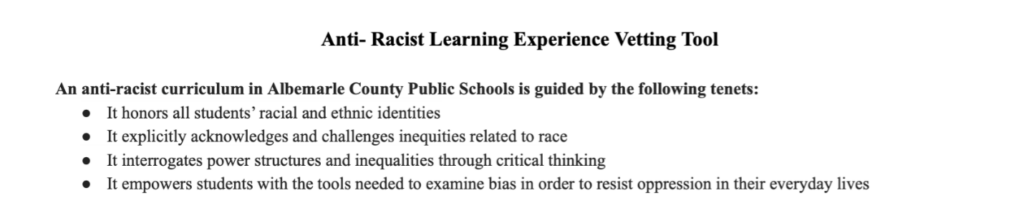
ACPS utilizes an “Anti-Racist Learning Experience Vetting Tool.” According to the document, the following tenets are the guiding pillars:
“It honors all students’ racial and ethnic identities
It explicitly acknowledges and challenges inequities related to race
It interrogates power structures and inequalities through critical thinking
It empowers students with the tools needed to examine bias in order to resist oppression in their everyday lives”
One of the indicators titled “Multiple Perspectives” asks if the lesson will “Present multiple, diverse, and non-dominant perspectives with nuance, respect, and equity?”
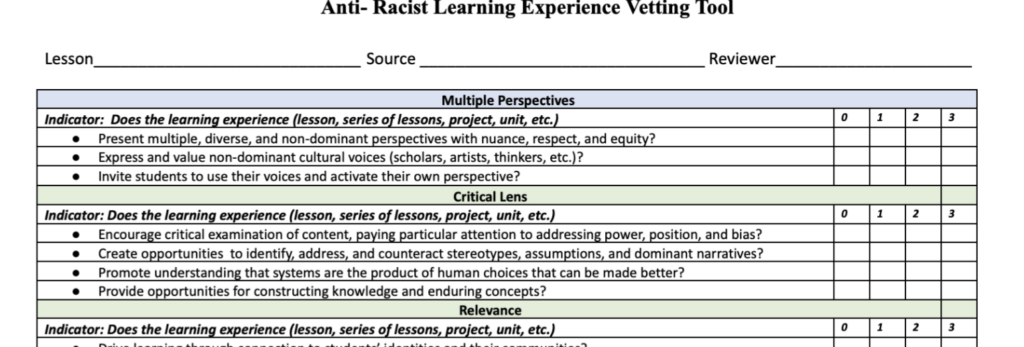
Continuing on the “Multiple Perspectives” section, a “Transformative” curriculum, or the highest level achievable, would do the following:
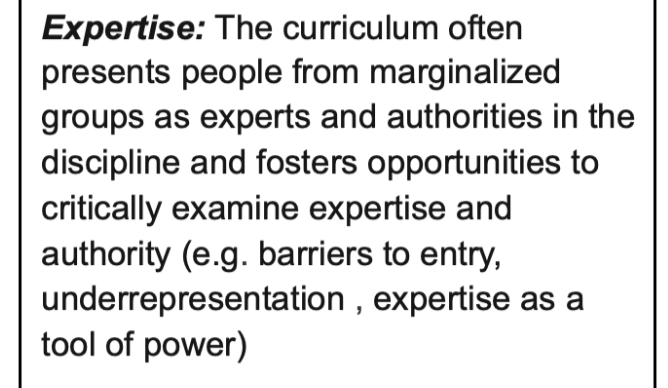
“Expertise: The curriculum often presents people from marginalized groups as experts and authorities in the discipline and fosters opportunities to critically examine expertise and authority (e.g. barriers to entry, underrepresentation , expertise as a tool of power).”
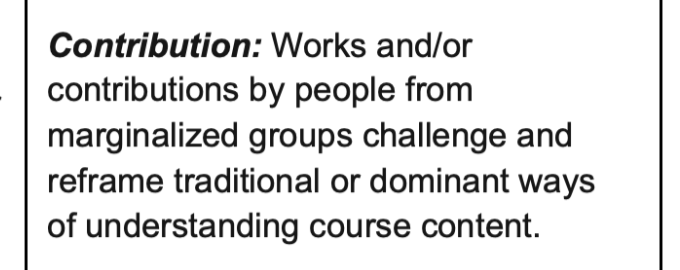
Additionally, a learning tool would also feature contributions and works from “marginalized groups” and “reframe traditional or dominant ways of understanding course content.”
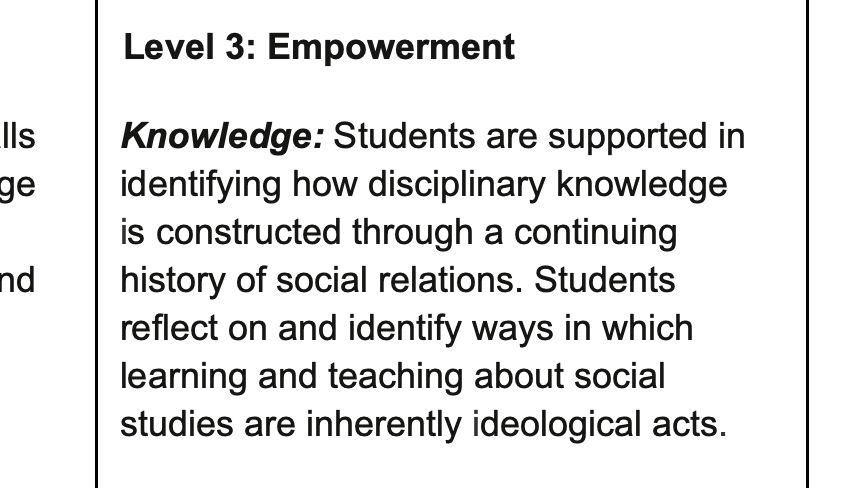
Under a section titled “Critical Examination of Knowledge and Power,” under the highest level of curricula titled “Empowerment,” students should learn the following:
“Students reflect on and identify ways in which learning and teaching about social studies are inherently ideological acts.”
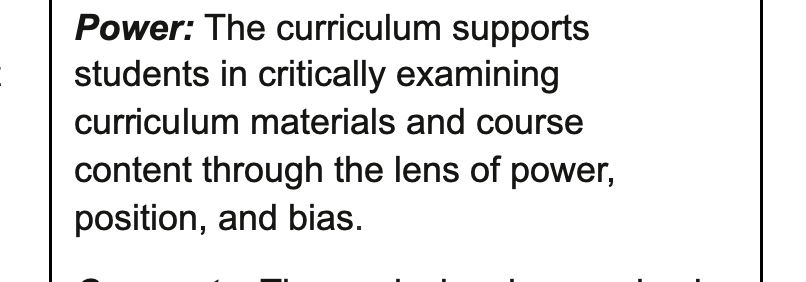
“Power: The curriculum supports students in critically examining curriculum materials and course content through the lens of power, position, and bias.”
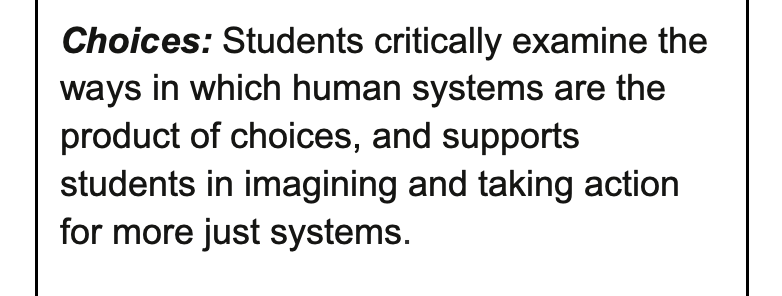
“Choices: Students critically examine the ways in which human systems are the product of choices, and supports students in imagining and taking action for more just systems.”
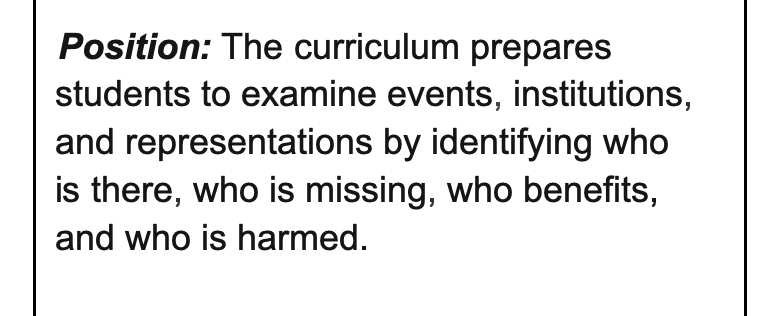
“Position: The curriculum prepares students to examine events, institutions, and representations by identifying who is there, who is missing, who benefits, and who is harmed.”
According to this tool, learning standards are different for those who are currently or historically “marginalized.” Also according to the tool, “Students whose personal and cultural identities are historically or currently marginalized in American education systems have equitable opportunities to access and demonstrate learning by drawing on their own contexts.”
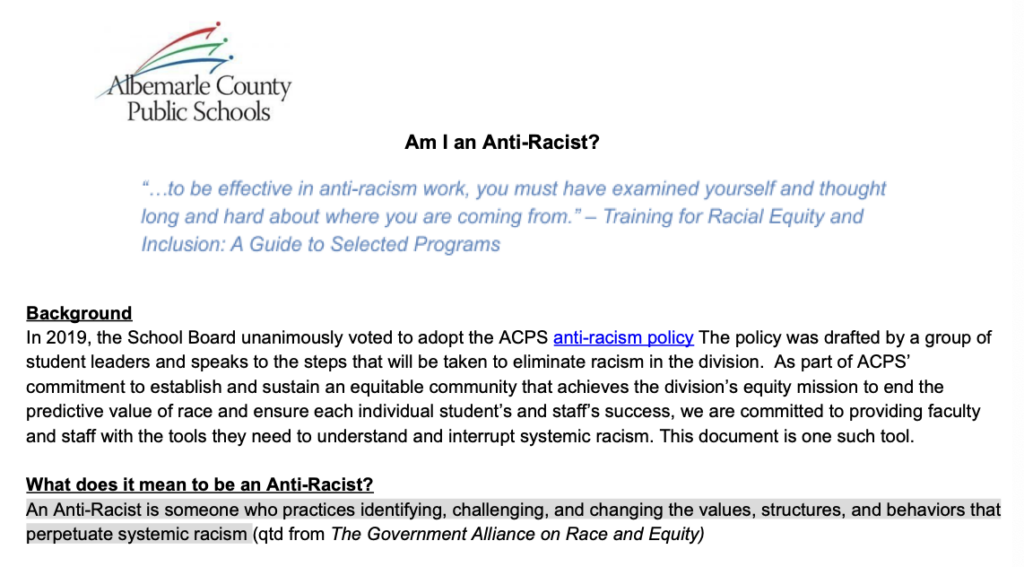
On the ACPS website, there is a questionnaire titled, “Am I an Anti-Racist?” According to the document, “An Anti-Racist is someone who practices identifying, challenging, and changing the values, structures, and behaviors that perpetuate systemic racism.”
The document includes definitions such as:
“1. Ally – A member of a dominant group who works to dismantle oppression from which s/he benefits.”
“28. White Privilege – An unacknowledged system of favoritism and advantage granted to white people as the beneficiaries of historical conquest. Benefits include preferential treatment, exemption from group oppression and immunity from perpetuating social inequity.”
“25. Reverse Racism – A disputed concept. Discrimination (a denial of opportunity) by subordinates against dominants.”
“29. White Supremacy – A system of exploitation to maintain wealth, power and white privilege.”

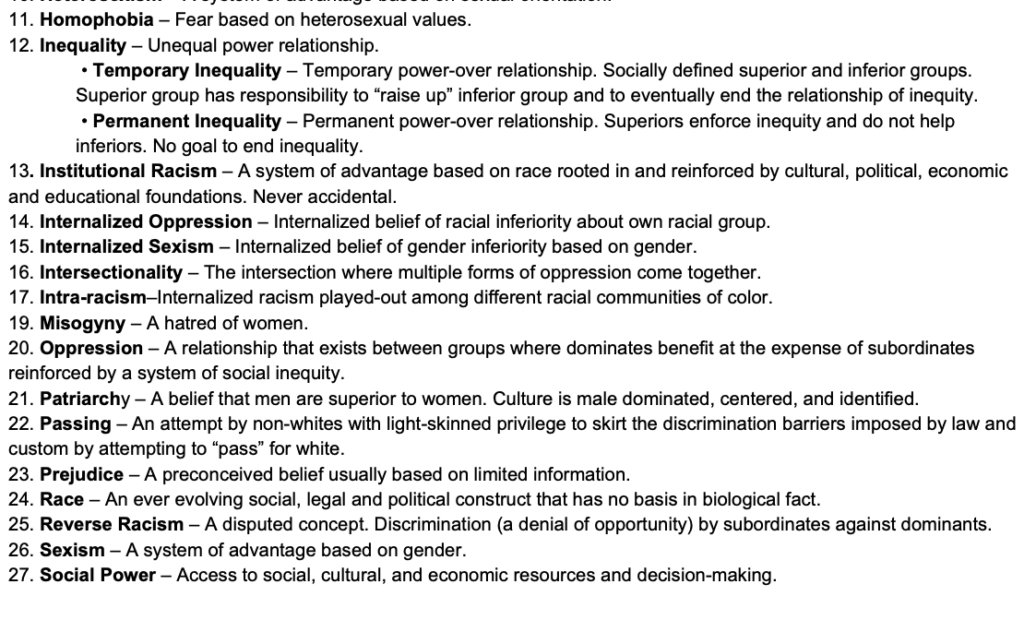
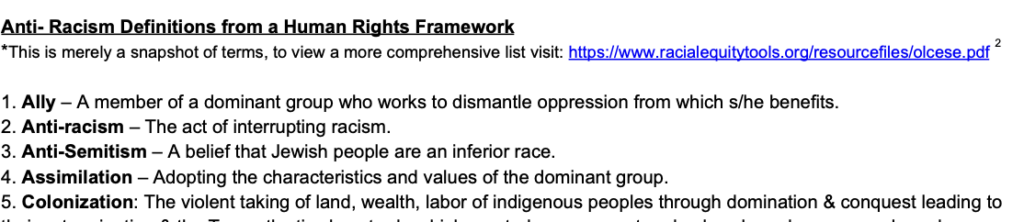
The district has since made their full anti-racism policy unavailable to the public. Only users with an ACPS log-in can access the policy in its entirety.
Equity Grading Changes
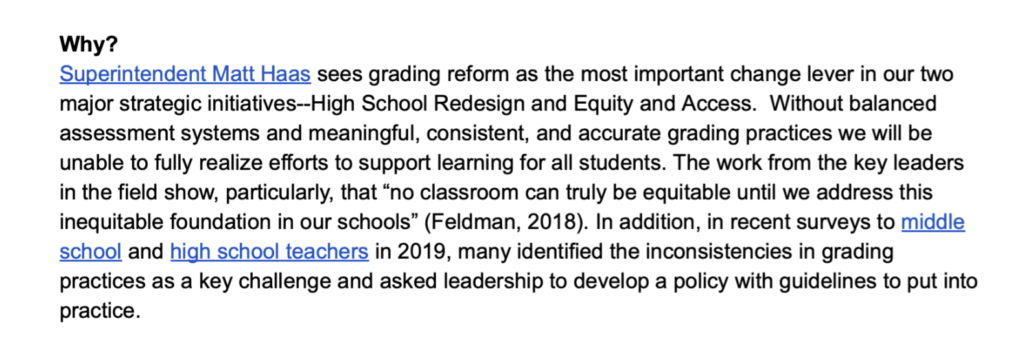
In addition to equity challenges and policies, ACPS has adopted an equity-based grading system. In a white paper detailing ACPS’ research on best grading practices, the district cites Joe Feldman’s findings on so-called “accurate and equitable grading.” Under the “Why?” section, the district states that the superintendent “sees grading reform as the most important change lever in our two major strategic initiatives–High School Redesign and Equity and Access.”
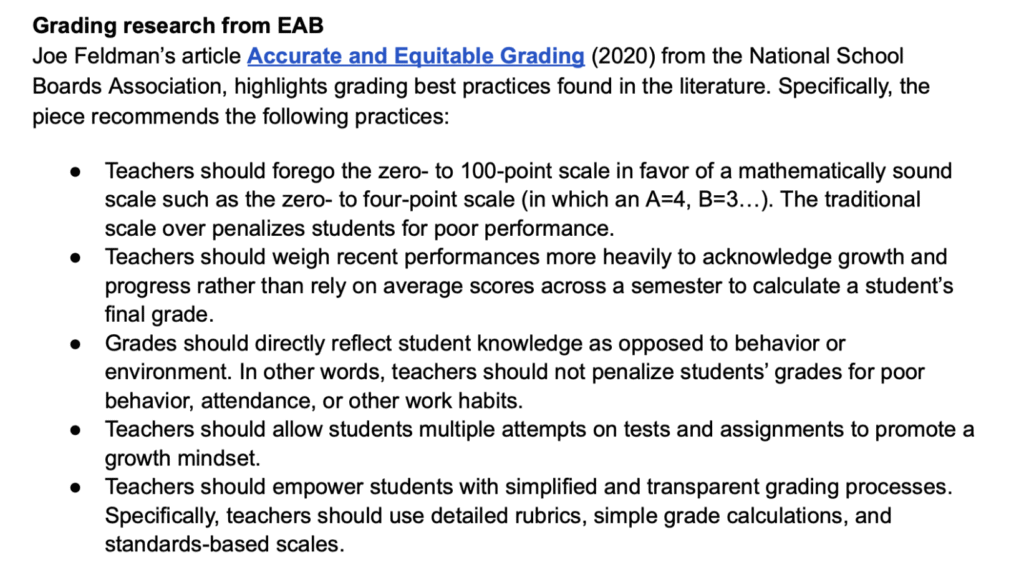
The district specifically mentions four recommendations by Feldman, including practices such as foregoing the zero-to-100-point scale, not penalizing students for “poor behavior, attendance, or other work habits,” and allowing “multiple attempts on tests and assignments to promote a growth mindset.”
Defending Education previously reported on grading for equity, as found here.
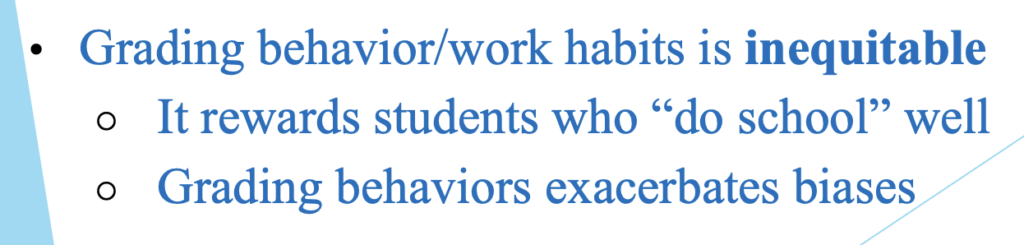
A presentation detailing ACPS’ changes to grading policies specifically mentioned eliminating zeroes and elimination of grading behavior because it is “inequitable.” According to the presentation, “grading behavior exacerbates biases.”
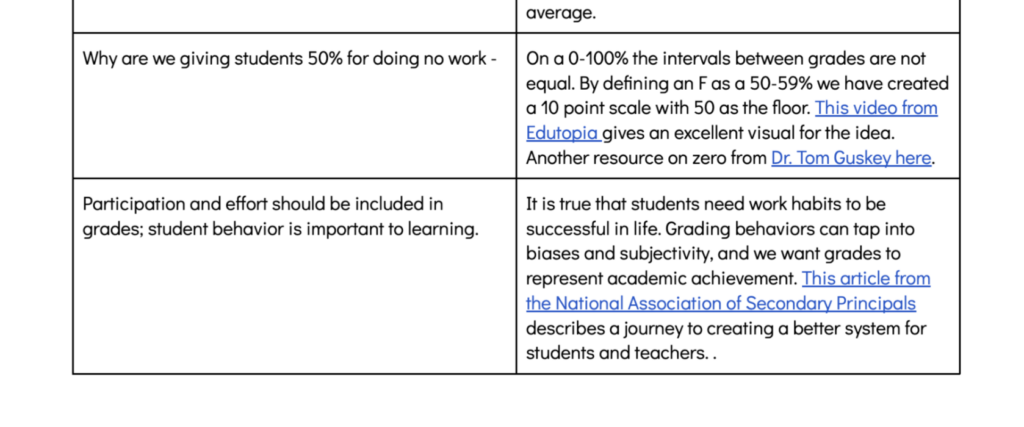
Specifically, in the district, if a student does not do an assignment, he or she will still receive a 50%. Under a question and answer document, the district writes, “On a 0-100% the intervals between grades are not equal.”
As far as not considering behavior, participation, and effort, the district argues, “Grading behaviors can tap into biases and subjectivity, and we want grades to represent academic achievement.”
October 2025 Controversy with Albemarle County School Board Member
During October 2025, the Turning Point USA chapter at Western Albemarle High School hosted an event called “Two Genders, One Truth.” The event was led by the president of Family Foundation of Virginia.
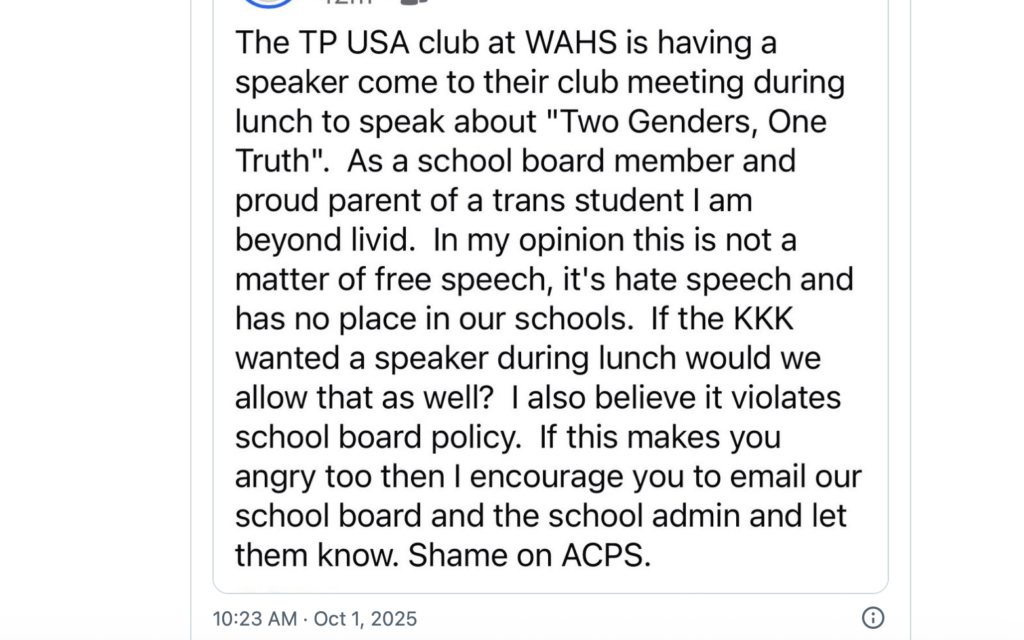
The board member posted on her social media on October 1, 2025, stating, “As a school board member and a proud parent of a trans student I am beyond livid. In my opinion this is not a matter of free speech, it’s hate speech and has no place in our schools.”
In the following sentence, she compared Turning Point to the KKK, writing, “If the KKK wanted a speaker during lunch would we allow that as well?”
She ended her post stating, “I also believe it violates school board policy. If this makes you angry too then I encourage you to email our school board and the school admin and let them know. Shame on ACPS.”
2019-2024 Anti-Racism Case Involving Parents
In 2019, as mentioned, the school board adopted its “Anti-Racism Policy.”
Five families, with the help of Alliance Defending Freedom, sued the Albemarle County School Board “for implementing a discriminatory policy that creates a race-based hostile environment in local schools and violates students’ free speech rights.” This effort was unsuccessful after years of litigation.
The Alliance Defending Freedom recounted: “In 2019, the board enacted a policy that requires schools to take actions based in critical race theory, a radical ideology that forces students and teachers to view everything and everybody through the lens of race. The policy violates students’ civil rights by treating them differently and stereotyping them based on race, and by compelling them to affirm and support the board’s ideology, even if it is contrary to their deeply held moral and religious beliefs.”